

How to prevent mold growth around a bathroom sink wash basin?
Jan 21, 2026
Hey there! As a supplier of Bathroom Sink Wash Basin, I've seen firsthand how mold can be a real pain around bathroom sinks. It's not only unsightly but can also pose health risks. So, I'm here to share some practical tips on how to prevent mold growth around your bathroom sink wash basin.
Understanding Why Mold Loves Bathroom Sinks
First off, let's talk about why mold is so attracted to bathroom sinks. Bathrooms are naturally humid environments. Every time you take a shower or wash your hands, you're adding moisture to the air. And that moisture often lingers around the sink area. Mold thrives in damp, warm, and dark places, and the space around your sink provides the perfect conditions for it to grow.
Another reason is the presence of organic matter. Soap scum, hair, and other debris can accumulate around the sink, providing a food source for mold. Even small amounts of standing water in the corners or crevices of the sink can create a breeding ground for mold spores.
Keep the Area Dry
One of the most effective ways to prevent mold growth is to keep the area around your sink dry. After you use the sink, take a few seconds to wipe down the surface with a dry towel. Pay special attention to the edges, corners, and the area under the faucet. Make sure to get rid of any standing water.
You can also use a squeegee to quickly remove water from the sink and countertop. This is especially useful after a shower when there's a lot of moisture in the air. Just run the squeegee across the surface, and it'll push the water into the drain.
If possible, leave the bathroom door open after you're done using it. This allows the air to circulate and helps to reduce humidity. You can also use a fan to improve ventilation. A bathroom exhaust fan is a great investment as it can suck out the moist air and replace it with fresh, dry air from outside.
Clean Regularly
Regular cleaning is crucial for preventing mold growth. Use a mild cleaner to clean the sink and the surrounding area at least once a week. You can find many commercial cleaners specifically designed for bathroom use, or you can make your own using natural ingredients like vinegar and baking soda.
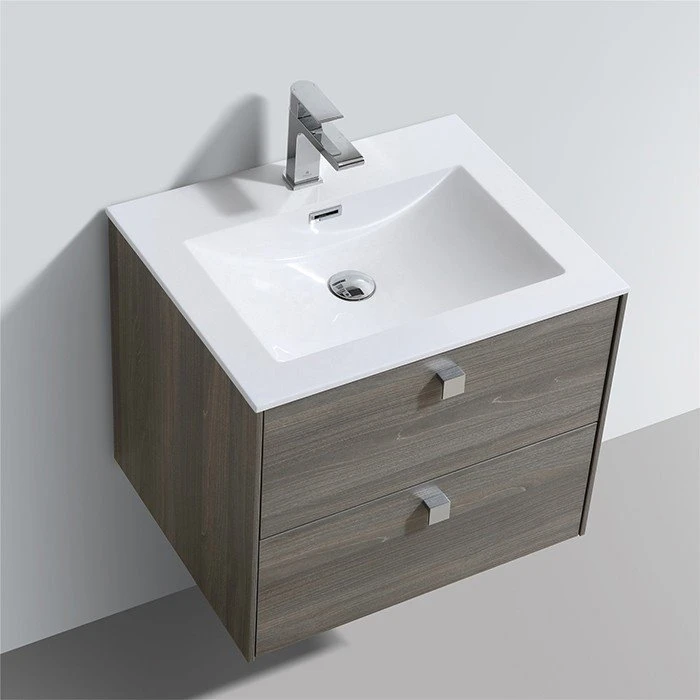

Vinegar is a great natural disinfectant and can help to kill mold spores. Mix equal parts of white vinegar and water in a spray bottle, and spray it on the sink and countertop. Let it sit for a few minutes, then wipe it off with a clean cloth. Baking soda is also effective at removing stains and odors. Sprinkle some baking soda on the sink, and scrub it with a soft brush or sponge.
Don't forget to clean the drain as well. Hair and soap scum can build up in the drain, creating a blockage and providing a perfect environment for mold to grow. You can use a drain cleaner to clear the blockage, or you can try using a mixture of baking soda and vinegar. Pour half a cup of baking soda down the drain, followed by half a cup of vinegar. Let it fizz for a few minutes, then flush it with hot water.
Seal the Gaps
Gaps and cracks around the sink can allow water to seep in and create a moist environment for mold to grow. Check the caulking around the sink regularly, and if you notice any cracks or gaps, re-caulk them. You can buy caulk at any hardware store, and it's relatively easy to apply. Just make sure to clean the area thoroughly before applying the caulk, and follow the instructions on the package.
You should also check the pipes under the sink for any leaks. Even a small leak can cause moisture to accumulate and lead to mold growth. If you notice any leaks, fix them as soon as possible. You may need to call a plumber if you're not comfortable doing it yourself.
Choose the Right Sink
When it comes to preventing mold growth, choosing the right sink can make a big difference. Look for sinks that are made of materials that are resistant to mold and mildew, such as porcelain, ceramic, or stainless steel. These materials are easy to clean and don't absorb moisture like some other materials.
You may also want to consider a Double Sink Wash Basin or a Modern Basin Sink Bathroom. These sinks often have a more modern design that makes them easier to clean and less likely to trap water and debris.
Use Mold-Resistant Products
There are many products available on the market that are designed to prevent mold growth. You can use mold-resistant paint on the walls and ceiling around the sink to help prevent mold from growing. There are also mold-resistant caulk and grout that you can use when installing the sink.
You can also use a dehumidifier in the bathroom to reduce humidity. A dehumidifier works by removing moisture from the air, which can help to prevent mold growth. Just make sure to empty the water tank regularly.
Conclusion
Preventing mold growth around your bathroom sink wash basin doesn't have to be a difficult task. By following these simple tips, you can keep your bathroom looking clean and fresh while also protecting your health. Remember to keep the area dry, clean regularly, seal the gaps, choose the right sink, and use mold-resistant products.
If you're in the market for a new bathroom sink wash basin, I'd love to help. As a supplier, I offer a wide range of high-quality sinks at competitive prices. Whether you're looking for a Double Sink Wash Basin, a Modern Basin Sink Bathroom, or a traditional single sink, I've got you covered. Contact me to discuss your needs and get a quote.
References
- "Mold Prevention Tips." Environmental Protection Agency.
- "How to Clean and Prevent Mold in the Bathroom." Mayo Clinic.
- "The Best Ways to Prevent Mold Growth in Your Home." Family Handyman.