

Are there any cabinet sinks designed for handicapped users?
Oct 06, 2025
Are there any cabinet sinks designed for handicapped users?
As a cabinet sink supplier, I am often asked this question. The answer is a resounding yes! In recent years, there has been a growing awareness of the need for accessible and inclusive design in all aspects of our lives, including our bathrooms. This has led to the development of a wide range of cabinet sinks specifically designed to meet the needs of handicapped users.
Understanding the Needs of Handicapped Users
Before delving into the specific features of cabinet sinks for handicapped users, it's important to understand the diverse needs of this population. People with disabilities may have limited mobility, strength, or dexterity, which can make using a standard sink challenging. Some may use wheelchairs or other mobility aids, while others may have difficulty bending, reaching, or standing for extended periods.
Key Features of Cabinet Sinks for Handicapped Users
- Low-Profile Design: One of the most important features of a cabinet sink for handicapped users is a low-profile design. This allows users in wheelchairs or with limited mobility to easily access the sink without having to reach over a high countertop. A sink with a lower height also reduces the need for bending, which can be difficult for some individuals.
- Knee Clearance: Adequate knee clearance is essential for wheelchair users. The cabinet under the sink should be designed to provide enough space for the user's knees and legs to fit comfortably. This may involve removing or modifying the lower cabinet doors or drawers, or using a wall-mounted sink that eliminates the need for a cabinet altogether.
- Easy-to-Use Faucets: Faucets with lever handles or touchless operation are ideal for handicapped users. Lever handles are easier to grip and operate than traditional knob-style faucets, especially for individuals with limited hand strength or dexterity. Touchless faucets, which are activated by motion sensors, eliminate the need to turn handles altogether, making them a convenient option for users with mobility issues.
- Non-Slip Surfaces: To prevent slips and falls, it's important to choose a sink with a non-slip surface. This can include a textured finish on the sink basin or a non-slip mat placed inside the sink. Some sinks also come with built-in safety features, such as raised edges or anti-slip coatings.
- Accessible Storage: Handicapped users may have difficulty reaching into deep cabinets or drawers. To make storage more accessible, consider using pull-out shelves or drawers, or installing cabinets at a lower height. This allows users to easily access their toiletries and other items without having to bend or stretch.
Examples of Cabinet Sinks for Handicapped Users
There are many different types of cabinet sinks available that are designed to meet the needs of handicapped users. Here are a few examples:
- Wall-Mounted Sinks: Wall-mounted sinks are a popular choice for handicapped users because they provide maximum knee clearance and can be installed at a lower height. They also eliminate the need for a cabinet under the sink, which can make cleaning and maintenance easier. Cabinet Bathroom Basin offers a variety of wall-mounted sinks in different styles and sizes.
- Pedestal Sinks: Pedestal sinks are another option for handicapped users. They have a single column that supports the sink, leaving plenty of space for knees and legs. Pedestal sinks are also available in a range of styles and finishes, making them a versatile choice for any bathroom.
- Under-Mount Sinks: Under-mount sinks are installed beneath the countertop, creating a seamless look. They are easy to clean and provide a smooth surface that is less likely to catch on clothing or mobility aids. Modern Basin Sink Bathroom offers a selection of under-mount sinks that are suitable for handicapped users.
- ADA-Compliant Sinks: The Americans with Disabilities Act (ADA) sets standards for accessibility in public buildings and facilities. Many cabinet sinks are now designed to meet ADA requirements, which include specific dimensions for sink height, knee clearance, and faucet operation. Bathroom Sink Wash Basin offers a range of ADA-compliant sinks that are ideal for handicapped users.
Benefits of Using Cabinet Sinks for Handicapped Users
In addition to providing greater accessibility and convenience, using cabinet sinks designed for handicapped users offers several other benefits:
- Improved Safety: By reducing the risk of slips, falls, and other accidents, these sinks help to create a safer bathroom environment for handicapped users.
- Enhanced Independence: Handicapped users are able to perform daily tasks, such as washing their hands and face, more independently when using a sink that is designed to meet their needs.
- Increased Comfort: A sink with a low-profile design and adequate knee clearance provides greater comfort for users, especially those who spend extended periods of time in a wheelchair or have limited mobility.
- Aesthetic Appeal: There are many stylish and modern cabinet sinks available that are designed for handicapped users. These sinks can enhance the overall look of a bathroom while still providing the functionality and accessibility that is needed.
Contact Us for More Information
If you are interested in learning more about cabinet sinks designed for handicapped users, or if you have any questions about our products, please feel free to contact us. Our team of experts is available to provide you with detailed information and assistance in choosing the right sink for your needs. We can also help you with installation and maintenance, ensuring that your new sink is installed correctly and functions properly for years to come.

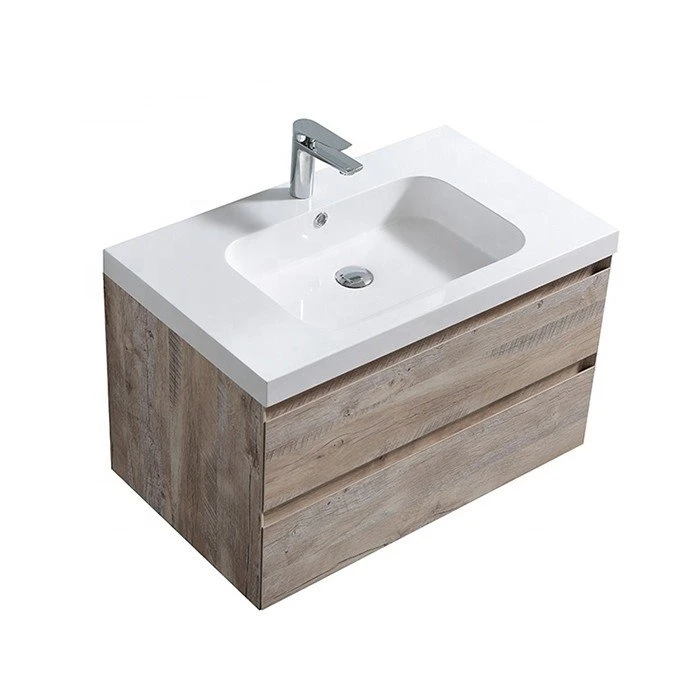
Investing in a cabinet sink that is designed for handicapped users is a smart choice that can improve the quality of life for individuals with disabilities. By providing greater accessibility, safety, and comfort, these sinks help to create a more inclusive and welcoming environment for everyone.
References
- American National Standards Institute (ANSI). (2017). ANSI A117.1-2017: Accessible and Usable Buildings and Facilities.
- Americans with Disabilities Act (ADA) National Network. (n.d.). ADA Accessibility Standards.
- National Association of the Remodeling Industry (NARI). (2019). Aging in Place Guidelines.