

Are there any safety issues with cabinet sinks?
May 22, 2025
As a cabinet sink supplier, I've been in the industry long enough to understand the concerns that customers often have regarding the safety of cabinet sinks. In this blog, I'll delve into the potential safety issues associated with cabinet sinks and provide insights based on my experience and industry knowledge.
Material - related Safety Concerns
One of the primary areas of concern when it comes to cabinet sinks is the material they are made of. Cabinet sinks can be crafted from a variety of materials, each with its own set of characteristics and potential safety implications.
Ceramic Sinks
Ceramic is a popular choice for cabinet sinks due to its durability and aesthetic appeal. However, it's important to note that ceramic sinks can be prone to cracking if subjected to sudden temperature changes or heavy impacts. For example, pouring extremely hot water into a cold ceramic sink can cause thermal shock, leading to cracks. Moreover, if a heavy object is dropped into the sink, it may also cause the ceramic to chip or crack. This can pose a safety risk as sharp edges from the cracks can cause cuts.
Stainless - Steel Sinks
Stainless - steel sinks are known for their strength and resistance to corrosion. While they are generally considered safe, one potential issue is the noise they can generate. When water hits the stainless - steel surface, it can create a loud splashing sound, which may be a nuisance in some settings. Additionally, if the stainless - steel is of poor quality, it may develop rust over time, especially in areas where water accumulates. Rust can contaminate the water and may also cause the sink to deteriorate, potentially leading to leaks.
Resin Sinks
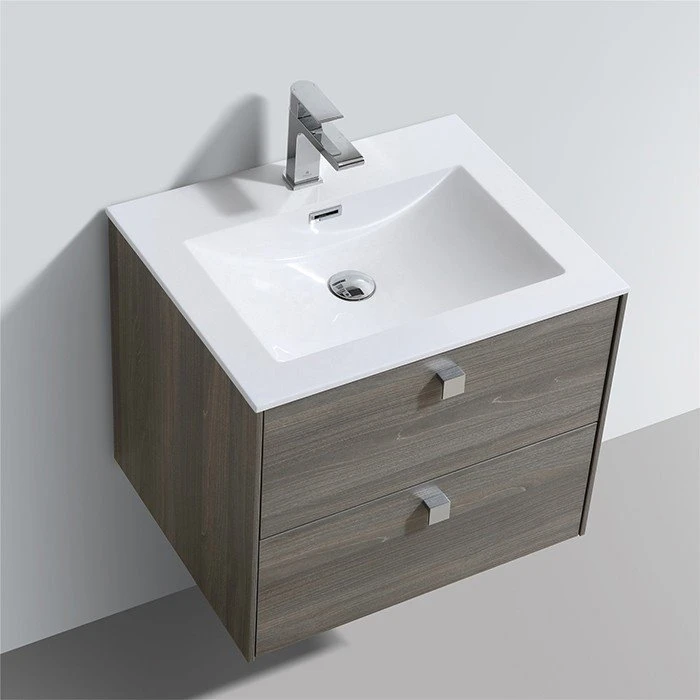
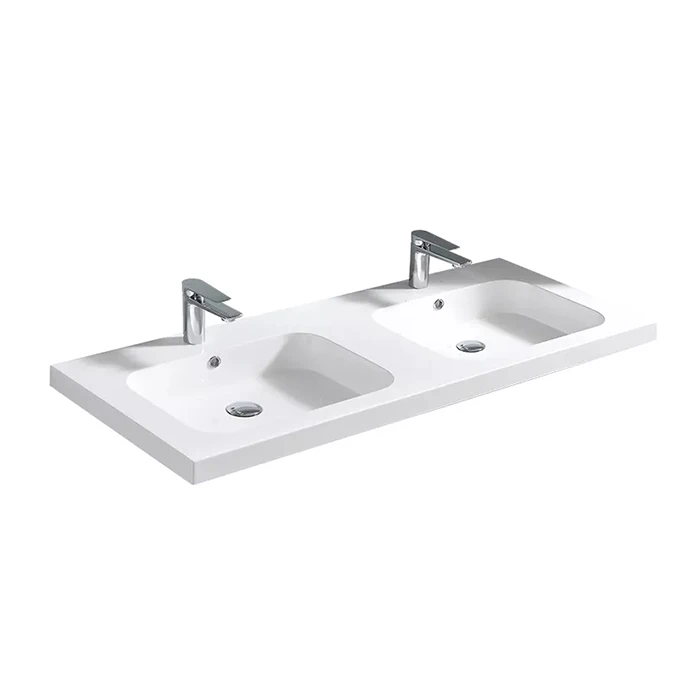
Resin sinks, such as those found in our Double Sink Wash Basin, Bathroom Sink Wash Basin, and Modern Basin Sink Bathroom, offer a good balance of durability and aesthetics. However, some lower - quality resin materials may release harmful chemicals, especially when exposed to high temperatures. For instance, if hot water is constantly used in a low - grade resin sink, it may cause the release of volatile organic compounds (VOCs), which can be harmful to human health if inhaled over an extended period.
Installation - related Safety Issues
Proper installation is crucial for the safety of cabinet sinks. Incorrect installation can lead to a variety of problems, including leaks, instability, and even structural damage.
Leaks
If a cabinet sink is not installed correctly, water may leak from the connections between the sink and the plumbing pipes. This can lead to water damage to the cabinet and the surrounding area. Over time, the moisture can cause mold and mildew to grow, which can pose health risks, especially for people with respiratory problems. Mold spores can be inhaled and may cause allergic reactions, asthma attacks, or other respiratory issues.
Instability
A poorly installed sink may not be properly supported, which can lead to instability. If the sink is not securely attached to the cabinet, it may shift or tip over when pressure is applied, such as when someone leans on it. This can cause injuries, especially if the sink is heavy or if it contains sharp objects.
Maintenance - related Safety Concerns
Regular maintenance is essential to ensure the safety and longevity of cabinet sinks. Failure to maintain the sink properly can lead to a variety of safety issues.
Clogs
Clogs in the sink drain can cause water to back up, which can create a breeding ground for bacteria and other pathogens. Standing water can also cause damage to the sink and the cabinet over time. If the clog is not cleared promptly, it may lead to more serious plumbing problems, such as burst pipes.
Chemical Cleaners
When cleaning cabinet sinks, it's important to use the right cleaning products. Some harsh chemical cleaners can damage the sink surface, especially if they are not compatible with the sink material. For example, abrasive cleaners can scratch the surface of a ceramic or stainless - steel sink, making it more prone to staining and damage. Additionally, some chemical cleaners can release toxic fumes, which can be harmful if inhaled.
Addressing Safety Concerns
As a cabinet sink supplier, we take safety very seriously. We ensure that all our products are made from high - quality materials that meet strict safety standards. Our resin sinks, for example, are made from non - toxic and environmentally friendly materials that do not release harmful chemicals.
We also provide detailed installation instructions to ensure that our sinks are installed correctly. Our team of experts is available to offer support and guidance during the installation process.
In terms of maintenance, we recommend using mild, non - abrasive cleaners to keep the sink clean. We also encourage regular inspections to detect any potential problems early on.
Conclusion
While there are potential safety issues associated with cabinet sinks, these can be effectively managed through proper material selection, correct installation, and regular maintenance. As a cabinet sink supplier, we are committed to providing our customers with safe and high - quality products. If you are in the market for a cabinet sink, whether it's a Double Sink Wash Basin, Bathroom Sink Wash Basin, or Modern Basin Sink Bathroom, we invite you to contact us for a procurement discussion. We can help you choose the right sink for your needs and ensure that it is installed and maintained safely.
References
- "Kitchen and Bathroom Sink Materials: Pros and Cons." Home Improvement Magazine, 2022.
- "Safety Standards for Plumbing Fixtures." National Plumbing Association, 2023.
- "Maintenance Guide for Cabinet Sinks." Plumbing Professionals Journal, 2021.