

Are there any special requirements for the wall when installing a wall - mounted basin unit?
Jul 16, 2025
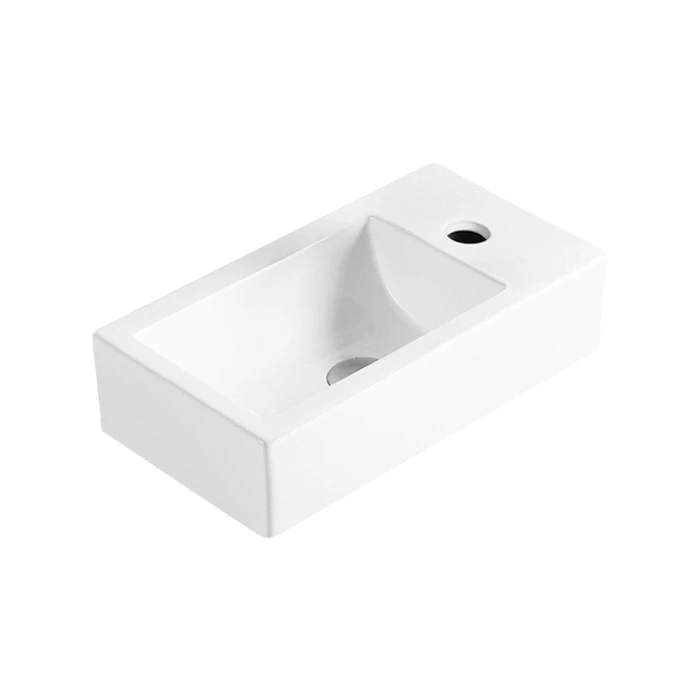
When it comes to enhancing the functionality and aesthetics of a bathroom, a wall-mounted basin unit is an excellent choice. As a supplier of high-quality Wall Mounted Basin Units, I've received numerous inquiries about the special requirements for the wall when installing such units. In this blog, I'll delve into the key factors you need to consider to ensure a successful installation.
Structural Integrity
The most fundamental requirement for the wall is its structural integrity. A wall-mounted basin unit is fixed directly to the wall, so the wall must be able to support the weight of the basin, countertop, and any items that will be placed on it. For light to medium-sized basin units, a standard stud wall can usually suffice. However, these studs need to be properly spaced and securely attached to the wall frame.
If you're dealing with a heavier basin unit, such as one with a large countertop or made from dense materials like Stone Resin Wall Hung Basin, a solid concrete or brick wall is highly recommended. Concrete and brick walls offer superior strength and stability, making them ideal for supporting the weight of the unit. Before installation, it's crucial to confirm the type of wall and its load - bearing capacity. A professional installer can use tools like a stud finder to locate the studs in a stud wall or assess the integrity of a concrete or brick wall.
Wall Surface
The surface of the wall also plays a vital role in the installation process. A flat and smooth wall surface is essential for a proper fit and a visually appealing finish. Any unevenness in the wall can cause the basin unit to be misaligned, which not only looks unprofessional but can also lead to problems with the functionality of the unit over time.
For a stud wall, the drywall should be in good condition without any cracks or holes. If there are minor imperfections, they can be filled with spackle and sanded smooth before installation. In the case of a concrete or brick wall, the surface may need to be plastered or skimmed to achieve a smooth finish. Additionally, the wall should be clean and free of any dirt, grease, or paint residues that could interfere with the adhesion of the mounting hardware.
Water - Resistance
Since the wall-mounted basin unit is located in a bathroom, water resistance is a critical consideration. The area around the basin is constantly exposed to water splashes and humidity, so the wall needs to be able to withstand these conditions without being damaged.
For stud walls, it's advisable to use moisture - resistant drywall, commonly known as green board. This type of drywall is treated with special chemicals that make it more resistant to water damage. Additionally, a waterproof membrane can be applied over the drywall before tiling. For concrete or brick walls, a waterproof paint or sealer can be used to protect the wall surface. Tiling is also a popular choice for the wall around the basin unit, as ceramic or porcelain tiles are highly water - resistant and easy to clean.

Electrical and Plumbing Considerations
Before installing a wall-mounted basin unit, you need to take into account the electrical and plumbing requirements. If the basin unit has features such as built - in lighting or heated towel rails, there will be electrical wiring involved. The wall should have a proper electrical outlet or junction box installed at the appropriate location. It's important to ensure that all electrical work is carried out by a qualified electrician to meet safety standards.
In terms of plumbing, the wall needs to have access to the water supply lines and the drain. The water supply lines should be properly connected to the faucet of the basin unit, and the drain should be correctly aligned to ensure proper drainage. If the existing plumbing layout doesn't match the requirements of the basin unit, modifications may be necessary. This could involve rerouting the water supply lines or the drain pipe, which should be done by a professional plumber.
Accessibility for Installation
The wall should provide easy access for the installation process. There should be enough space around the wall to allow the installer to work comfortably. For example, if the basin unit is to be installed in a corner, there should be sufficient clearance for the installer to maneuver the unit into place and secure it to the wall.
In some cases, especially for larger basin units, it may be necessary to remove any obstacles or fixtures on the wall, such as wall - mounted cabinets or shelves. This will give the installer unobstructed access to the wall and make the installation process more efficient.
Compatibility with Mounting Hardware
The wall needs to be compatible with the mounting hardware provided with the wall - mounted basin unit. Different types of walls require different types of mounting hardware. For stud walls, toggle bolts or molly bolts can be used to secure the unit to the studs. These bolts expand behind the drywall, providing a strong hold.
For concrete or brick walls, masonry anchors are the preferred choice. Masonry anchors are designed to be inserted into pre - drilled holes in the wall and provide a secure attachment for the mounting brackets of the basin unit. It's important to follow the manufacturer's instructions regarding the type and size of the mounting hardware to ensure a safe and secure installation.
Considerations for Small Spaces
If you're looking for a solution for a small bathroom, Small Wall Mount Corner Bathroom Sink can be a great option. However, even in small spaces, the same wall requirements apply. The wall still needs to be structurally sound, have a smooth surface, and be water - resistant.
In small bathrooms, space is at a premium, so it's important to choose a wall - mounted basin unit that is compact and designed to fit into the available space. The installation process may be more challenging due to the limited space, but with careful planning and the right installation techniques, a small wall - mounted basin unit can be installed successfully.
Conclusion
Installing a wall - mounted basin unit requires careful consideration of the wall's structural integrity, surface condition, water - resistance, electrical and plumbing needs, accessibility, and compatibility with the mounting hardware. By ensuring that the wall meets these special requirements, you can guarantee a safe, functional, and aesthetically pleasing installation.
As a supplier of Wall Mounted Basin Unit, I'm committed to providing high - quality products and professional advice. If you have any questions about the installation requirements or are interested in purchasing a wall - mounted basin unit, I encourage you to reach out for a procurement discussion. Our team of experts is ready to assist you in finding the perfect solution for your bathroom.
References
- "Bathroom Installation Guide", Home Improvement Association
- "Wall - Mounted Fixtures: Installation and Maintenance", Plumbing Professionals Journal