

Can a white stone resin basin be used in a Japanese - style bathroom?
Oct 28, 2025
As a supplier of White Stone Resin Basins, I often get asked whether our products can be used in a Japanese-style bathroom. This question is not only relevant to the aesthetic and functional aspects of bathroom design but also reflects the growing interest in blending modern materials with traditional design concepts. In this blog, I'll explore the suitability of white stone resin basins in a Japanese-style bathroom from multiple perspectives.
Understanding the Japanese-Style Bathroom Aesthetic
The Japanese-style bathroom is characterized by simplicity, harmony with nature, and a sense of tranquility. It often incorporates natural materials such as wood, stone, and bamboo, and features clean lines and a muted color palette. The design aims to create a space that promotes relaxation and a connection with the natural world. For example, traditional Japanese bathrooms may have a tatami area for relaxation or a wooden soaking tub placed near a window overlooking a garden.
Characteristics of White Stone Resin Basins
White stone resin basins offer several advantages that make them a potential fit for a Japanese-style bathroom. Firstly, the white color of these basins is in line with the minimalist and clean aesthetic often seen in Japanese design. White represents purity and simplicity, which are key elements in Japanese culture. Secondly, resin is a durable and low - maintenance material. It can withstand daily use and is resistant to stains and scratches, making it a practical choice for a bathroom.
Our Glossy White Countertop Wash Basin is a great example. Its glossy finish adds a touch of elegance while still maintaining the clean look. The smooth surface is easy to clean, which is important for keeping the bathroom hygienic. Another option is our Large Rectangular Vessel Sink. The rectangular shape is simple and geometric, fitting well into the Japanese preference for clean lines.
Blending with Natural Elements
One of the hallmarks of a Japanese-style bathroom is the integration of natural elements. While resin is a synthetic material, white stone resin basins can be paired with natural materials to create a harmonious look. For instance, a white resin basin can be placed on a wooden vanity. The contrast between the cool, smooth resin and the warm, textured wood adds visual interest and depth to the space. You can also add some greenery, such as a small potted bamboo plant, near the basin. This not only brings a touch of nature into the bathroom but also complements the white color of the basin.
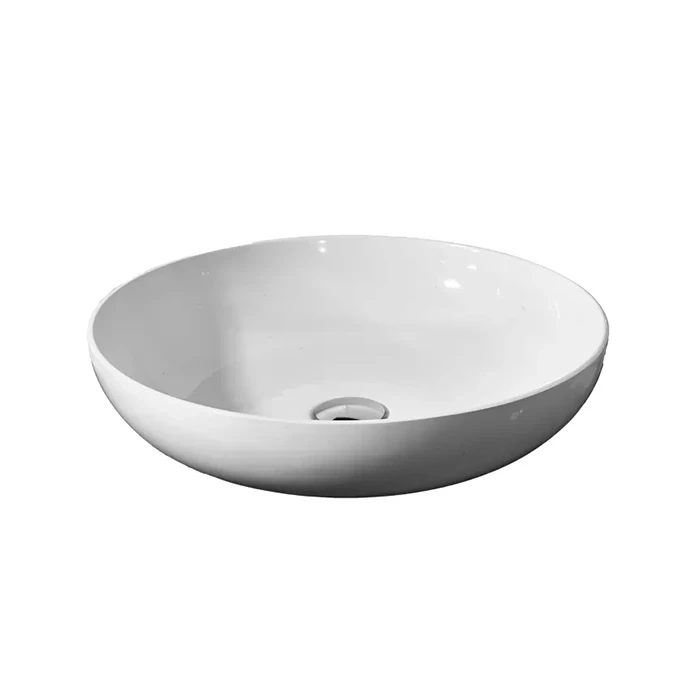
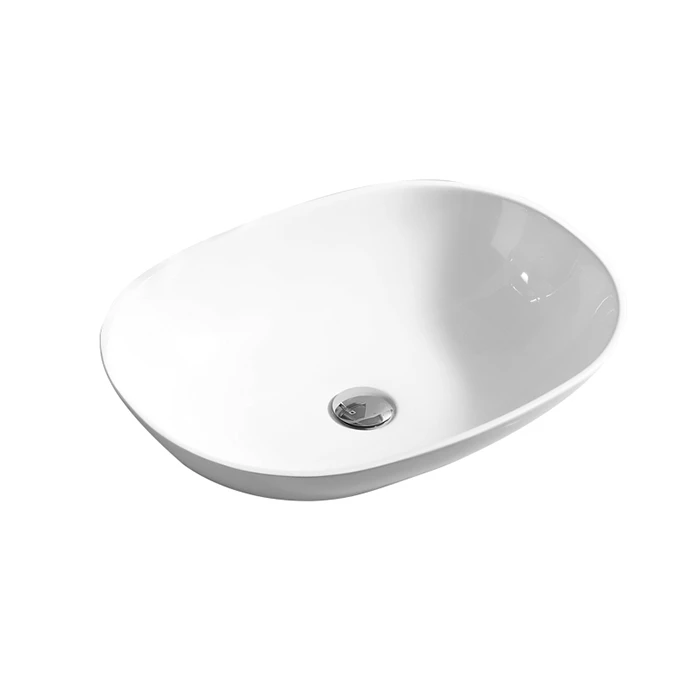
In addition, natural stone tiles on the floor or walls can be used to enhance the overall Japanese aesthetic. The white resin basin will stand out against the earthy tones of the stone, creating a beautiful focal point in the bathroom. Our Stone Resin Countertop Basin can be easily incorporated into such a setting, adding a modern yet harmonious element to the traditional Japanese design.
Functional Considerations
Function is also an important aspect of any bathroom design. White stone resin basins are available in various sizes and shapes to meet different functional needs. For a small Japanese-style bathroom, a compact countertop basin can save space while still providing a functional washing area. On the other hand, a larger vessel sink can be used in a more spacious bathroom, allowing for a more luxurious and comfortable washing experience.
Resin basins also have good water - holding capacity and drainage performance. This ensures that water is quickly and efficiently drained away, preventing waterlogging and the growth of mold and mildew. The smooth surface of the resin also makes it easy to clean, which is essential for maintaining a hygienic bathroom environment.
Cultural and Symbolic Considerations
In Japanese culture, the bathroom is not just a functional space but also a place for purification and relaxation. The use of white in the bathroom can symbolize the cleansing of the body and mind. The white stone resin basin, with its pure and simple appearance, can contribute to this symbolic meaning.
Moreover, the process of using a basin in a Japanese-style bathroom can be seen as a ritual. The smooth and clean surface of the resin basin can enhance the sensory experience during the washing process, adding to the overall sense of tranquility and relaxation.
Challenges and Considerations
While white stone resin basins have many advantages for a Japanese-style bathroom, there are also some challenges to consider. One concern is the perception of using a synthetic material in a space that traditionally values natural materials. However, as modern design evolves, the integration of synthetic materials with natural elements is becoming more accepted.
Another consideration is the color fastness of the white resin. Over time, exposure to sunlight and certain cleaning agents may cause the white color to fade or yellow slightly. To mitigate this, it is important to choose high - quality resin basins and follow the recommended cleaning and maintenance procedures.
Conclusion
In conclusion, a white stone resin basin can indeed be used in a Japanese-style bathroom. Its white color, durability, and practicality make it a suitable choice for both the aesthetic and functional requirements of such a space. By carefully pairing it with natural materials and considering cultural and symbolic aspects, a white stone resin basin can enhance the overall Japanese - style bathroom experience.
If you are interested in incorporating a white stone resin basin into your Japanese-style bathroom project, I encourage you to contact us for more information. We offer a wide range of white stone resin basins in different styles and sizes to meet your specific needs. Our team of experts is ready to assist you in selecting the perfect basin for your bathroom. Whether you are a homeowner, an interior designer, or a contractor, we look forward to working with you to create a beautiful and functional Japanese-style bathroom.
References
- "Japanese Interior Design: Tradition and Innovation" by Kazuo Shinohara
- "The Art of Japanese Living" by Leonard Koren
- "Bathroom Design: Principles and Practices" by Bathroom Design Institute