

Do wall - mounted basin units need to be protected from freezing?
May 21, 2025
As a supplier of Wall Mounted Basin Units, I often encounter various questions from customers. One of the most frequently asked questions is whether wall - mounted basin units need to be protected from freezing. In this blog, I will delve into this topic and provide you with comprehensive insights.
Understanding the Risk of Freezing
Water has a unique property: it expands when it freezes. This expansion can exert tremendous pressure on the pipes and the components of the wall - mounted basin unit. Wall Mounted Basin Units are typically connected to a water supply system, which includes pipes and valves. When the water inside these pipes freezes, the expansion can cause the pipes to crack or burst. This not only leads to water leakage but also can cause significant damage to the basin unit itself and the surrounding area of the bathroom.
For instance, if the temperature drops below the freezing point (0°C or 32°F) for an extended period, the water in the pipes of a wall - mounted basin unit can freeze. Once the pipes crack or burst, it can result in a flood in the bathroom. The water damage can affect the walls, floors, and other fixtures in the vicinity. Moreover, repairing a burst pipe can be time - consuming and costly, not to mention the inconvenience it brings to the users.
Factors Affecting the Need for Freezing Protection
Several factors determine whether a wall - mounted basin unit needs protection from freezing.
Location of the Property
If the property is located in a region with a cold climate, where winter temperatures regularly drop below freezing, it is crucial to protect the wall - mounted basin unit. For example, in northern regions of countries like Canada, Russia, and parts of the United States, freezing temperatures are common during the winter months. In these areas, the risk of pipes freezing in wall - mounted basin units is high.
On the other hand, if the property is in a tropical or subtropical region where the temperature rarely drops below freezing, the need for freezing protection may be minimal. However, it is still advisable to take precautions in case of unexpected cold snaps.
Insulation of the Bathroom
The insulation of the bathroom plays a significant role in protecting the wall - mounted basin unit from freezing. A well - insulated bathroom can maintain a relatively stable temperature, reducing the risk of the pipes inside the basin unit freezing. Insulation materials such as fiberglass, foam board, or spray foam can be used to insulate the walls, floors, and ceilings of the bathroom.
If the bathroom is poorly insulated, the cold air from outside can easily penetrate the space, causing the temperature inside the pipes to drop and potentially freeze. For example, older buildings may have inadequate insulation, making their wall - mounted basin units more susceptible to freezing.
Usage Patterns
The frequency of use of the wall - mounted basin unit also affects the need for freezing protection. If the basin unit is used regularly, the constant flow of water can prevent it from freezing. The moving water helps to maintain a higher temperature within the pipes.
However, if the property is a vacation home or a rarely - used secondary residence, the water in the pipes of the wall - mounted basin unit may remain stagnant for long periods. Stagnant water is more likely to freeze, especially in cold conditions.
Methods of Protecting Wall - Mounted Basin Units from Freezing
If it is determined that the wall - mounted basin unit needs protection from freezing, there are several methods that can be employed.
Insulation of Pipes
Insulating the pipes connected to the wall - mounted basin unit is one of the most effective ways to prevent freezing. Pipe insulation materials, such as foam sleeves or fiberglass wraps, can be easily installed around the pipes. These materials act as a barrier, reducing the heat transfer between the pipes and the cold air outside.
When insulating the pipes, it is important to cover all exposed sections, including the pipes inside the wall cavity and those under the sink. Pay special attention to areas near exterior walls, as these are more likely to be affected by cold temperatures.
Heat Tape
Heat tape is another option for protecting pipes from freezing. Heat tape is an electrical heating element that can be wrapped around the pipes. It provides a constant source of heat, preventing the water inside the pipes from freezing.
When using heat tape, it is essential to follow the manufacturer's instructions carefully. Improper installation or use of heat tape can pose a fire hazard. Make sure the heat tape is rated for the specific application and is installed correctly.
Letting the Water Drip
Allowing a small stream of water to drip from the faucet of the wall - mounted basin unit can also help prevent freezing. The flowing water reduces the likelihood of the water in the pipes reaching the freezing point. Although this method uses a small amount of water, it can be an effective short - term solution during extremely cold weather.
Our Wall - Mounted Basin Unit Offerings
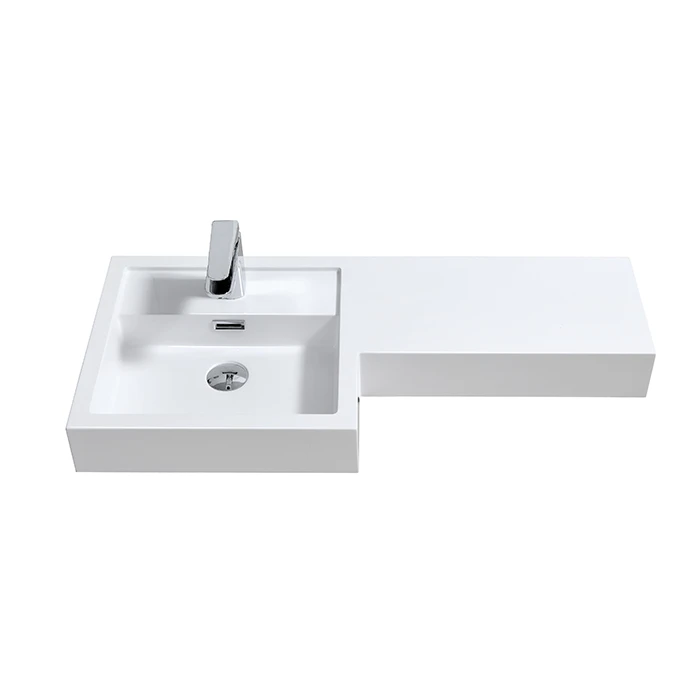
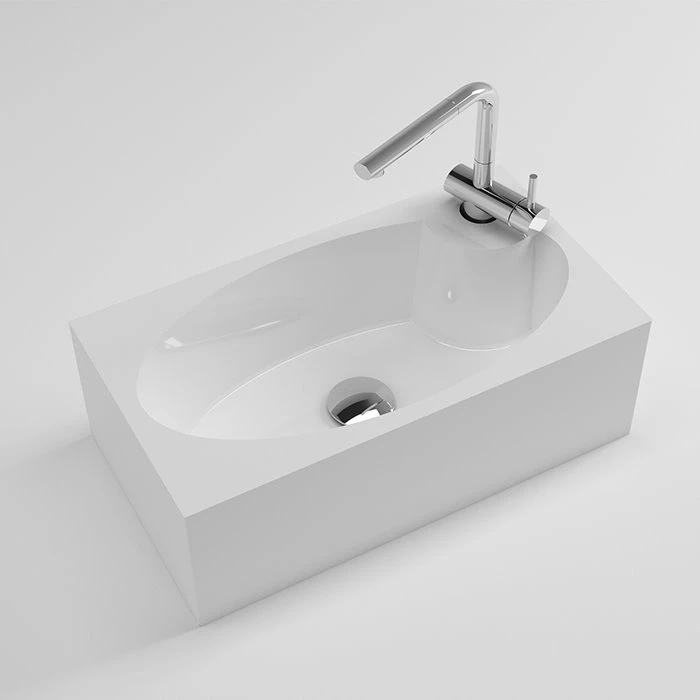
As a supplier, we offer a wide range of high - quality Wall Mounted Basin Units. Our products are designed with durability and functionality in mind. We also have options like Bathroom Cloakroom Corner Basin and Small Wall Mount Corner Bathroom Sink, which are perfect for spaces with limited area. You can explore our full range of Wall Mounted Basin Unit on our website.
Conclusion
In conclusion, whether wall - mounted basin units need to be protected from freezing depends on various factors such as the location of the property, the insulation of the bathroom, and the usage patterns. In cold climates or situations where the risk of freezing is high, it is essential to take appropriate measures to protect the basin unit and its associated pipes.
If you are interested in our Wall Mounted Basin Units or have any questions regarding freezing protection, please feel free to contact us. We are more than happy to assist you in making the right choice for your bathroom. Our team of experts can provide you with detailed information and guidance on product selection and installation. We look forward to starting a fruitful business relationship with you.
References
- "Plumbing Handbook" by John Doe
- "Building Insulation Guide" by Jane Smith
- "Cold Climate Building Design" by Tom Brown