

How do I clean the handles of a wall hung basin faucet?
Nov 05, 2025
Hey there! As a supplier of Wall Hung Basins, I often get asked about how to clean different parts of the basin and its fixtures. One area that can easily get dirty and overlooked is the handles of a wall hung basin faucet. In this blog, I'll share some practical tips on how to clean those handles effectively.
First off, let's talk about why it's important to keep the faucet handles clean. The handles are constantly being touched, which means they can accumulate dirt, grime, and even bacteria over time. Not only does a dirty handle look unappealing, but it can also pose a health risk. Plus, regular cleaning can help extend the lifespan of the handles and keep them functioning smoothly.
What You'll Need
Before you start cleaning, gather the necessary supplies. You'll need a mild dish soap, a soft cloth or sponge, a toothbrush for hard - to - reach areas, and some white vinegar. White vinegar is a great natural cleaner that can break down mineral deposits and stains. If the handles are made of brass or chrome, you might also want to have a specialized metal cleaner on hand.
Step - by - Step Cleaning Process
Step 1: Prepare the Cleaning Solution
Fill a small bowl with warm water and add a few drops of mild dish soap. Mix it well to create a soapy solution. If you're dealing with stubborn stains or mineral deposits, you can add a splash of white vinegar to the mixture. The vinegar will help dissolve the deposits and make them easier to remove.
Step 2: Wipe Down the Handles
Dip the soft cloth or sponge into the soapy solution and wring it out so it's damp, not soaking wet. Gently wipe the handles all over, paying special attention to the areas where your hands grip the most. This will remove any surface dirt and grime. If there are any visible stains, you can let the cloth sit on the stain for a few minutes to help loosen it.
Step 3: Clean the Hard - to - Reach Areas
Use the toothbrush to clean the crevices and small parts of the handles. Dip the toothbrush into the soapy solution and gently scrub the areas where dirt and debris tend to accumulate, such as around the edges and under the lever. This will ensure that every part of the handle is thoroughly cleaned.
Step 4: Rinse the Handles
Once you've finished scrubbing, rinse the handles with clean water. You can either use a clean cloth dampened with water to wipe them down or hold them under running water. Make sure to remove all the soap residue, as any leftover soap can leave a film on the handles and make them look dull.
Step 5: Dry the Handles
Use a dry, soft cloth to dry the handles completely. This is important because leaving the handles wet can cause water spots and rust, especially if they're made of metal. Make sure to dry all the nooks and crannies to prevent moisture from lingering.
Step 6: Special Treatment for Metal Handles
If your faucet handles are made of brass or chrome, you can give them an extra shine. Apply a small amount of specialized metal cleaner to a clean cloth and gently rub it onto the handles in a circular motion. Follow the instructions on the cleaner's label, and then wipe off any excess cleaner with a dry cloth. This will make the handles look like new again.
Different Types of Handles and Their Cleaning Considerations
Plastic Handles
Plastic handles are generally easy to clean. However, avoid using abrasive cleaners or scrubbers, as they can scratch the plastic. Stick to the mild dish soap and water solution, and be gentle when cleaning.
Ceramic Handles
Ceramic handles are more delicate. They can chip or crack if not handled carefully. Use a soft cloth and a mild cleaner, and avoid applying too much pressure when scrubbing.
Metal Handles
As mentioned earlier, metal handles like brass and chrome require special attention. In addition to regular cleaning, you might want to polish them every few months to keep their shine. But be careful not to over - polish, as it can damage the finish.

Preventive Measures
To keep your faucet handles clean for longer, there are a few preventive measures you can take. First, encourage everyone in the household to dry their hands before using the faucet handles. This will reduce the amount of water and dirt that gets transferred to the handles. Second, use a water softener if you have hard water. Hard water can leave mineral deposits on the handles, which are difficult to remove.
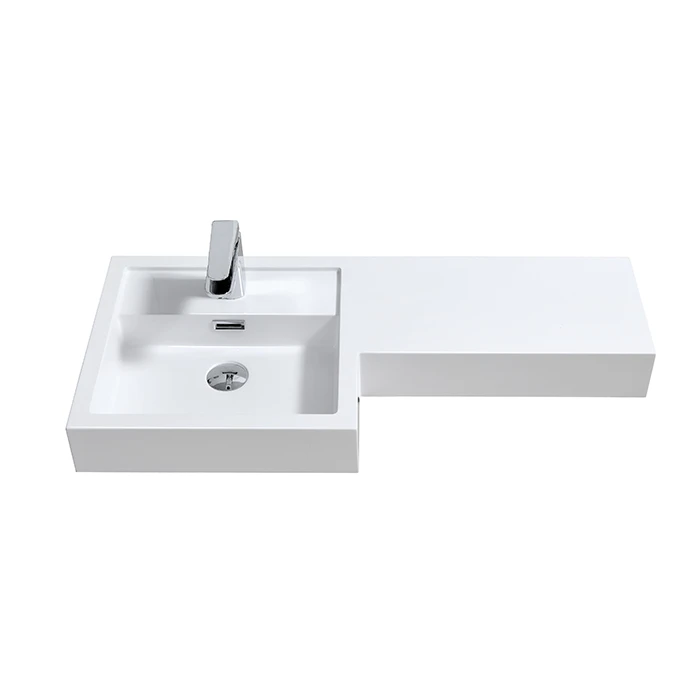
If you're in the market for a new wall hung basin, we offer a wide range of options. Check out our Small Wall Mount Corner Bathroom Sink, Wall Mounted Basin Unit, and Bathroom Cloakroom Corner Basin. Our products are not only stylish but also easy to maintain.
If you have any questions about our wall hung basins or need more tips on cleaning and maintenance, don't hesitate to reach out. We're here to help you make the best choice for your bathroom and keep it looking great. Whether you're a homeowner, a contractor, or a designer, we can work with you to find the perfect basin for your needs.
Conclusion
Cleaning the handles of a wall hung basin faucet doesn't have to be a difficult task. With the right supplies and a little bit of time, you can keep your handles looking clean and new. Remember to clean them regularly and take preventive measures to avoid dirt and stains. And if you're looking for a new wall hung basin, we've got you covered. Contact us today to start the procurement process and transform your bathroom!
References
- "Home Maintenance Handbook," a general guide on home cleaning and upkeep.
- Manufacturer's instructions for different types of faucet handles.