

How to clean a bathroom sink wash basin effectively?
Jun 11, 2025
How to Clean a Bathroom Sink Wash Basin Effectively
As a dedicated supplier of bathroom sink wash basins, I've witnessed firsthand the transformative power of a clean and well - maintained sink. A sparkling sink not only enhances the aesthetic appeal of your bathroom but also contributes to a healthier and more hygienic environment. In this blog, I'll share some professional tips on how to clean a bathroom sink wash basin effectively.
Understanding Your Sink Material
Before you start cleaning, it's crucial to identify the material of your sink. Different materials require different cleaning methods to avoid damage. Common sink materials include ceramic, porcelain, stainless steel, and resin.
- Ceramic and Porcelain Sinks: These are the most common types of bathroom sinks. They are generally durable and resistant to stains, but they can still accumulate dirt and soap scum over time. To clean a ceramic or porcelain sink, you can use a mild, non - abrasive cleaner. Avoid using harsh chemicals or abrasive sponges, as they can scratch the surface.
- Stainless Steel Sinks: Stainless steel sinks are known for their modern look and durability. They are resistant to rust and corrosion, but they can show fingerprints and water spots. For stainless steel sinks, use a cleaner specifically designed for stainless steel. You can also use a mixture of vinegar and water to remove stains and water spots.
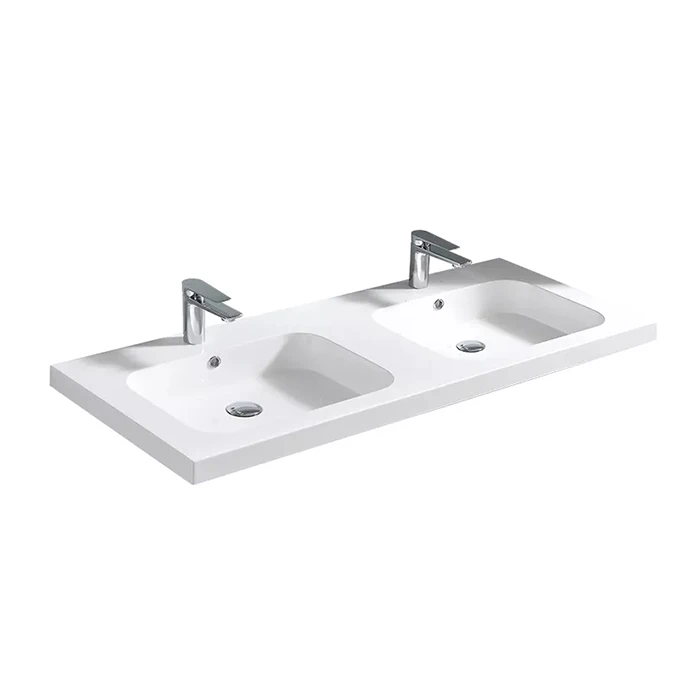
- Resin Sinks: Resin sinks, such as those available in our Double Sink Wash Basin and White Double Sink Vanity Top collections, are lightweight, durable, and resistant to stains. They can be cleaned with a mild soap and water solution. Avoid using abrasive cleaners or scrubbers, as they can damage the resin surface.
Step - by - Step Cleaning Process
Step 1: Remove Debris
Start by removing any visible debris, such as hair, toothpaste, or soap residue, from the sink. You can use a paper towel or a soft brush to gently sweep the debris into the drain. Make sure to clear the drain opening as well to prevent clogs.
Step 2: Prepare the Cleaning Solution
Depending on the material of your sink, prepare an appropriate cleaning solution.

- For ceramic and porcelain sinks, you can mix a few drops of dish soap with warm water.
- For stainless steel sinks, you can use a commercial stainless - steel cleaner or a mixture of equal parts vinegar and water.
- For resin sinks, a mild soap and water solution is usually sufficient.
Step 3: Apply the Cleaning Solution
Using a soft sponge or cloth, apply the cleaning solution to the entire surface of the sink, including the basin, the edges, and the faucet. Make sure to cover all areas, especially those with stains or soap scum. Let the cleaning solution sit for a few minutes to allow it to break down the dirt and stains.
Step 4: Scrub the Sink
After the cleaning solution has had time to work, use a soft sponge or a non - abrasive scrub brush to gently scrub the sink. Pay special attention to areas with stubborn stains, such as around the drain or the edges of the sink. Avoid using too much pressure, as this can scratch the surface of the sink.
Step 5: Rinse the Sink
Once you have scrubbed the sink thoroughly, rinse it with warm water. Make sure to remove all traces of the cleaning solution from the sink. You can use a clean sponge or cloth to wipe down the sink and remove any remaining water.
Step 6: Dry the Sink
Use a dry, clean cloth to dry the sink completely. This will prevent water spots from forming and keep the sink looking clean and shiny. Pay special attention to the edges and corners of the sink, as these areas tend to hold water.
Additional Tips for Deep Cleaning
- Removing Hard Water Stains: If you have hard water in your area, you may notice white or chalky stains on your sink. To remove these stains, you can use a mixture of lemon juice and baking soda. Apply the paste to the stains and let it sit for a few minutes before scrubbing and rinsing.
- Cleaning the Faucet: The faucet is an important part of your sink, and it can also accumulate dirt and grime. Use a soft cloth and a mild cleaner to clean the faucet. Pay attention to the aerator, which can become clogged with mineral deposits. You can remove the aerator and soak it in vinegar to clean it.
- Disinfecting the Sink: To keep your sink hygienic, it's a good idea to disinfect it regularly. You can use a commercial disinfectant or a mixture of bleach and water. Make sure to follow the instructions on the disinfectant and rinse the sink thoroughly after use.
Maintenance Tips
- Regular Cleaning: To keep your sink looking its best, it's important to clean it regularly. A quick daily wipe - down with a damp cloth can prevent dirt and stains from building up.
- Use a Sink Mat: Placing a sink mat in your sink can protect the surface from scratches and stains. It also makes it easier to clean the sink, as you can simply remove the mat and wash it.
- Avoid Harsh Chemicals: As mentioned earlier, avoid using harsh chemicals or abrasive cleaners on your sink. These can damage the surface of the sink and reduce its lifespan.
Why Choose Our Bathroom Sink Wash Basins
At our company, we offer a wide range of high - quality bathroom sink wash basins, including Cabinet Bathroom Basin. Our sinks are made from premium materials and are designed to be both functional and stylish. They are easy to clean and maintain, making them a great choice for any bathroom.
If you're in the market for a new bathroom sink wash basin, or if you have any questions about cleaning and maintaining your existing sink, we'd love to hear from you. Our team of experts is ready to assist you with your purchase and provide you with all the information you need. Whether you're a homeowner looking to upgrade your bathroom or a contractor working on a new project, we have the perfect sink for you. Contact us today to start the conversation about your bathroom sink needs.
References
- "Home Cleaning Handbook" by Clean My Space
- "The Complete Guide to Bathroom Maintenance" by DIY Home Improvement Magazine