

How to ensure proper ventilation for a wall - mounted basin unit?
Aug 13, 2025
Hey there! As a supplier of Wall Mounted Basin Units, I know how crucial proper ventilation is for these fixtures. Not only does it keep the area smelling fresh, but it also prevents mold and mildew from growing, which can damage your basin unit over time. In this blog, I'll share some tips on how to ensure proper ventilation for your wall-mounted basin unit.
Why Ventilation Matters
First off, let's talk about why ventilation is so important. When you use your sink, water splashes and steam are released into the air. Without proper ventilation, this moisture can get trapped in the bathroom, creating a damp environment. This dampness is a breeding ground for mold and mildew, which can cause health problems and damage the walls, cabinets, and of course, your Wall Mounted Basin Unit.
Mold and mildew not only look ugly but can also cause respiratory issues, especially for people with allergies or asthma. Additionally, the moisture can cause wood to rot and metal to rust, shortening the lifespan of your basin unit and other bathroom fixtures.
Assessing Your Bathroom's Ventilation Needs
Before you can improve ventilation, you need to assess your bathroom's current situation. Start by checking if your bathroom has a window. Windows are a great natural ventilation option. If you have a window, see if it opens easily and if there are any obstructions that might prevent air from flowing in and out.
Next, look at your bathroom's exhaust fan. An exhaust fan is designed to remove moisture and odors from the bathroom. Check if it's working properly by turning it on and feeling for air movement. If you don't feel much air, the fan might be clogged or not powerful enough for your bathroom size.
The size of your bathroom also matters. Larger bathrooms will require more ventilation than smaller ones. A general rule of thumb is that the exhaust fan should be able to exchange the air in the bathroom at least eight times per hour. You can calculate the required cubic feet per minute (CFM) of your exhaust fan based on your bathroom's square footage.
Types of Ventilation
There are two main types of ventilation: natural and mechanical.
Natural Ventilation
Natural ventilation is the simplest and most cost - effective way to ventilate your bathroom. As mentioned earlier, opening a window allows fresh air to enter and moist air to escape. It also helps to bring in natural light, which can make the bathroom feel more pleasant.
However, natural ventilation has its limitations. It depends on the weather outside. If it's raining, cold, or windy, you might not want to open the window. Also, in some bathrooms, especially those in the interior of a building, there might not be a window at all.
Mechanical Ventilation
Mechanical ventilation, on the other hand, is more reliable. The most common form of mechanical ventilation in bathrooms is the exhaust fan. An exhaust fan is installed in the ceiling or wall and is designed to suck out the moist air and expel it outside.
When choosing an exhaust fan, make sure it has the right CFM rating for your bathroom. You can find exhaust fans with different noise levels, so if you're sensitive to noise, look for a quiet model. Some exhaust fans also come with additional features like humidity sensors, which can automatically turn the fan on when the humidity in the bathroom reaches a certain level.
Ventilation for Wall - Mounted Basin Units
Now, let's focus on how to ensure proper ventilation specifically for your wall - mounted basin unit.
Placement of the Basin Unit
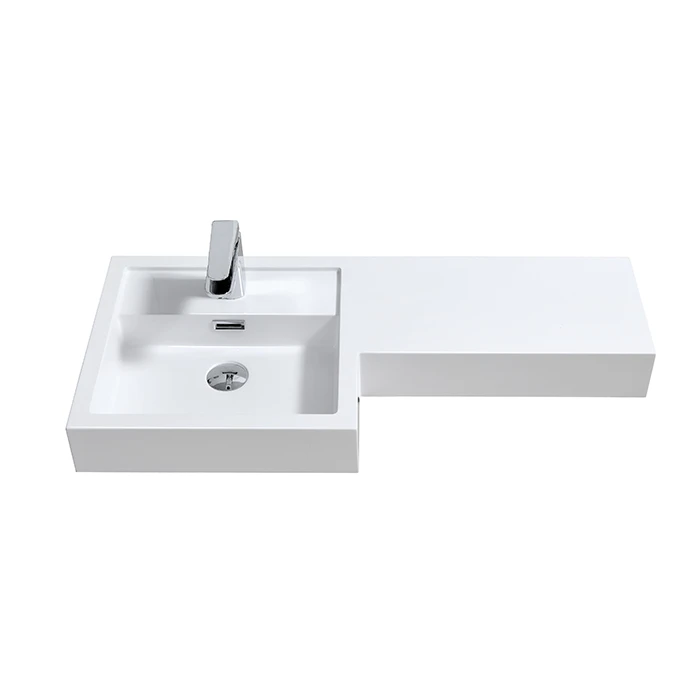
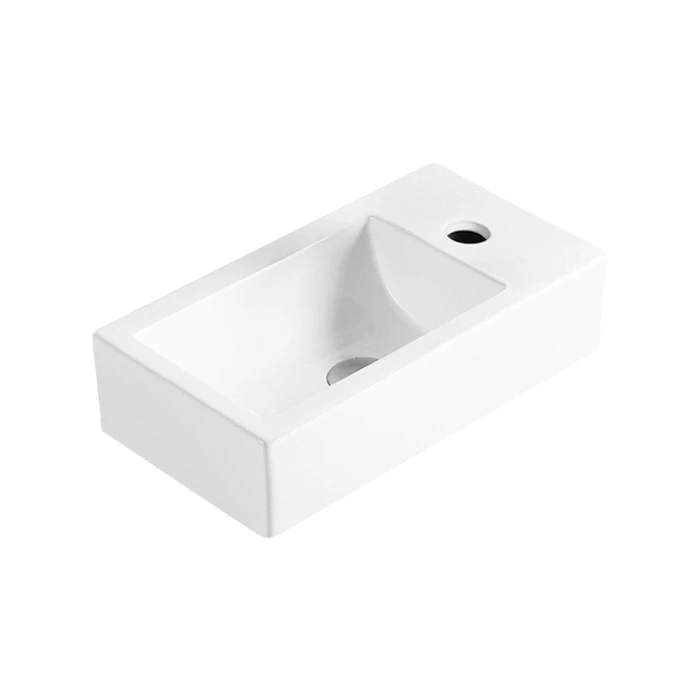
The placement of your Wall Mounted Basin Unit can affect ventilation. Try to place it in an area where there is good air circulation. Avoid placing it too close to a corner or against a wall where air might get trapped.
If possible, position the basin unit near a window or an exhaust fan. This way, the moist air generated when using the sink can be quickly removed.
Cabinet Ventilation
Many wall - mounted basin units come with cabinets. These cabinets can trap moisture, especially if they are made of wood. To prevent this, make sure the cabinets have proper ventilation. You can do this by adding ventilation holes at the top and bottom of the cabinet doors.
Some modern wall - mounted basin units are designed with built - in ventilation systems for the cabinets. These systems use small fans or vents to circulate air inside the cabinet, keeping it dry and preventing mold growth.
Sealant and Caulking
Proper sealant and caulking around the wall - mounted basin unit are also important for ventilation. Make sure there are no gaps between the basin unit and the wall or countertop. Gaps can allow moisture to seep behind the unit, where it can cause damage and create a breeding ground for mold.
Use a high - quality waterproof sealant and apply it evenly around the edges of the basin unit. This will not only prevent moisture from getting in but also improve the overall appearance of the installation.
Maintaining Your Ventilation System
Once you've set up proper ventilation for your wall - mounted basin unit, it's important to maintain it.
Cleaning the Exhaust Fan
Regularly clean your exhaust fan to keep it working efficiently. Dust and debris can accumulate on the fan blades, reducing its airflow. You can use a vacuum cleaner to remove loose dirt and then wipe the blades with a damp cloth.
If your exhaust fan has a filter, make sure to clean or replace it according to the manufacturer's instructions. A dirty filter can significantly reduce the fan's performance.
Checking the Window
If you rely on a window for ventilation, check it regularly for any signs of damage. Make sure the window seals are intact and that the window opens and closes smoothly. If there are any issues, repair them as soon as possible to ensure proper air circulation.
Additional Tips
- Use a dehumidifier in your bathroom, especially if you live in a humid climate. A dehumidifier can help remove excess moisture from the air, reducing the risk of mold and mildew.
- After using the sink, wipe down the basin and surrounding area to remove any water droplets. This simple step can significantly reduce the amount of moisture in the air.
Conclusion
Proper ventilation is essential for the longevity and functionality of your wall - mounted basin unit. By assessing your bathroom's ventilation needs, choosing the right type of ventilation, and maintaining your ventilation system, you can keep your bathroom fresh, dry, and free from mold and mildew.
If you're in the market for a new Wall Mounted Basin Unit, we offer a wide range of high - quality options, including Small Wall Mount Corner Bathroom Sink and Stone Resin Wall Hung Basin. If you have any questions or are interested in purchasing, feel free to reach out to us for a detailed discussion and procurement. We're here to help you make the best choice for your bathroom.
References
- "Bathroom Ventilation: A Guide to Healthy and Energy - Efficient Bathrooms." Home Ventilating Institute.
- "Mold Prevention in Bathrooms." Centers for Disease Control and Prevention.