

How to install a wall - hung cabinet on a plaster wall?
Dec 16, 2025
Installing a wall-hung cabinet on a plaster wall can be a rewarding DIY project that enhances the functionality and aesthetics of your space. As a trusted Wall Hung Cabinet supplier, I've witnessed firsthand the transformative power of these cabinets. In this guide, I'll share step-by-step instructions to help you install a wall-hung cabinet on a plaster wall with confidence.
Step 1: Gather Your Tools and Materials
Before you begin, it's essential to gather all the necessary tools and materials. Here's a list to get you started:
- Wall-hung cabinet: Choose a cabinet that suits your style and storage needs. You can explore our Large Single Sink Bathroom Vanity, Sink Set Bathroom Vanity, or Floating Bathroom Vanity options.
- Measuring tape
- Level
- Pencil
- Drill
- Screwdriver
- Wall anchors
- Screws
- Stud finder
- Safety goggles
- Dust mask
Step 2: Locate the Wall Studs
Finding the wall studs is crucial for ensuring a secure installation. Use a stud finder to locate the studs behind the plaster wall. Mark the positions of the studs with a pencil. Wall studs provide the strongest support for your wall-hung cabinet, so it's important to attach the cabinet directly to them whenever possible.

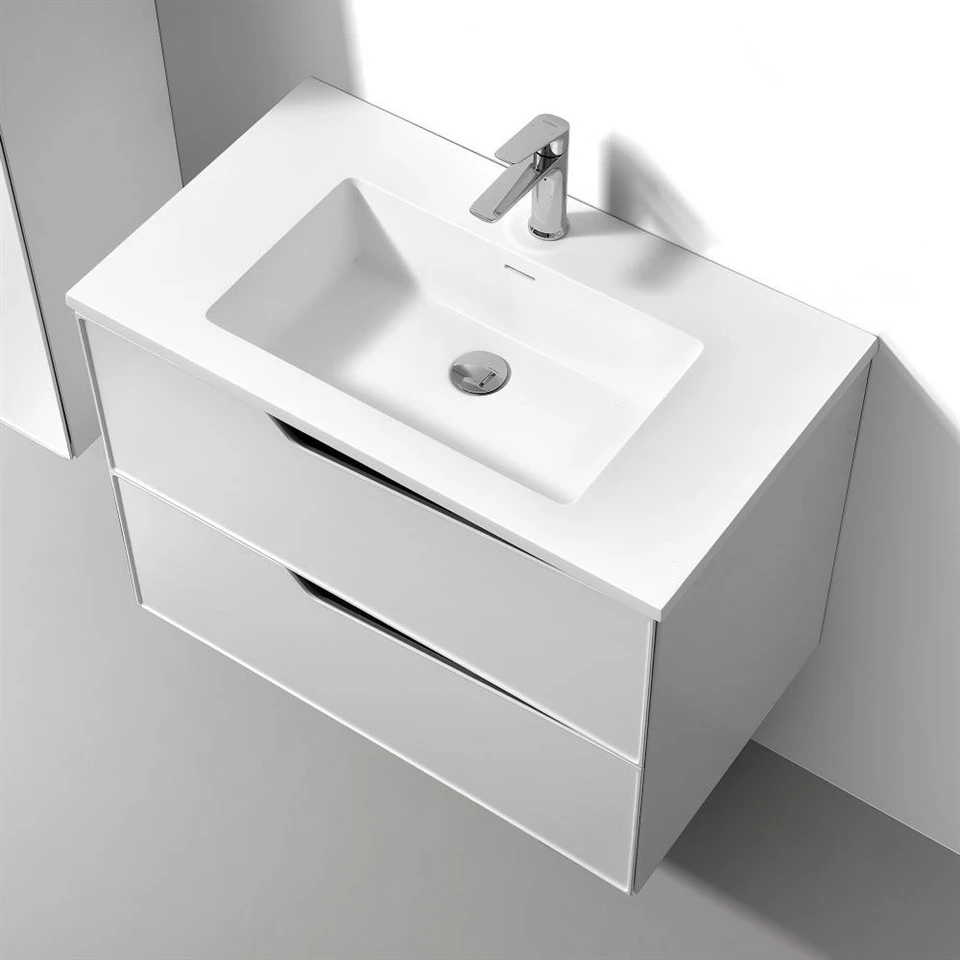
Step 3: Measure and Mark the Installation Height
Decide on the desired height for your wall-hung cabinet. A standard height for a bathroom vanity is around 32 to 36 inches from the floor to the top of the countertop. Use a measuring tape and a level to mark the height on the wall. Make sure the marks are straight and level.
Step 4: Install the Wall Brackets
Most wall-hung cabinets come with wall brackets that need to be installed first. Align the brackets with the marked positions on the wall, making sure they are level. If the brackets align with the wall studs, use screws to attach them directly to the studs. If the brackets do not align with the studs, you'll need to use wall anchors. Drill holes into the wall at the marked positions, insert the wall anchors, and then attach the brackets using screws.
Step 5: Hang the Cabinet
With the wall brackets in place, it's time to hang the cabinet. Carefully lift the cabinet and align it with the brackets on the wall. Slide the cabinet onto the brackets until it is securely in place. Use a level to check that the cabinet is level both horizontally and vertically. If necessary, adjust the position of the cabinet until it is perfectly level.
Step 6: Secure the Cabinet to the Wall
Once the cabinet is level, use screws to secure it to the wall brackets. Make sure the screws are tightened securely, but be careful not to overtighten them, as this could damage the cabinet or the wall. Check the stability of the cabinet by gently shaking it. If it feels loose, double-check the screws and brackets to ensure they are properly installed.
Step 7: Install the Countertop (if applicable)
If your wall-hung cabinet comes with a countertop, follow the manufacturer's instructions to install it. This may involve attaching the countertop to the cabinet using screws or adhesive. Make sure the countertop is level and securely attached to the cabinet.
Step 8: Connect the Plumbing (if applicable)
If you're installing a bathroom vanity, you'll need to connect the plumbing. This includes connecting the water supply lines and the drain pipe. Make sure to follow the plumbing codes and regulations in your area. If you're not comfortable working with plumbing, it's recommended to hire a professional plumber to do the job.
Step 9: Finishing Touches
Once the cabinet is installed and the plumbing is connected, it's time to add the finishing touches. Install the cabinet doors and drawers, and adjust them as needed to ensure they open and close smoothly. You can also add decorative hardware, such as handles and knobs, to enhance the appearance of the cabinet.
Tips and Tricks
- Always wear safety goggles and a dust mask when drilling into the wall to protect your eyes and lungs from dust and debris.
- If you're unsure about any step of the installation process, consult the manufacturer's instructions or seek advice from a professional.
- Take your time and double-check your measurements and alignments to ensure a precise and secure installation.
- Consider using a helper to assist you when lifting and hanging the cabinet, especially if it's large or heavy.
Conclusion
Installing a wall-hung cabinet on a plaster wall is a manageable DIY project that can add value and functionality to your space. By following these steps and using the right tools and materials, you can achieve a professional-looking installation. If you have any questions or need further assistance, don't hesitate to contact us. We're here to help you make the most of your wall-hung cabinet.
As a leading Wall Hung Cabinet supplier, we offer a wide range of high-quality cabinets to suit your needs and style. Whether you're looking for a Large Single Sink Bathroom Vanity, Sink Set Bathroom Vanity, or Floating Bathroom Vanity, we have the perfect solution for you. If you're interested in purchasing our products or have any questions about our wall-hung cabinets, please feel free to contact us. We look forward to working with you to create the perfect space for your home.
References
- Home Depot. (n.d.). How to Install a Wall-Mounted Cabinet. Retrieved from [Home Depot website]
- Lowe's. (n.d.). Installing a Wall-Mounted Vanity. Retrieved from [Lowe's website]