

What is the impact of hard water on a cabinet sink?
Nov 20, 2025
Hey there! As a cabinet sink supplier, I've seen firsthand the effects of hard water on these fixtures. Hard water is a common issue in many areas, and it can have a significant impact on the appearance and functionality of a cabinet sink. In this blog post, I'll dive into what hard water is, how it affects cabinet sinks, and what you can do to mitigate these effects.
What is Hard Water?
First things first, let's talk about what hard water actually is. Hard water contains high levels of dissolved minerals, mainly calcium and magnesium. These minerals are picked up as water travels through the ground and comes into contact with rocks and soil. The more minerals the water picks up, the "harder" it becomes.
You can usually tell if you have hard water by looking at some tell - tale signs. For example, you might notice white, chalky deposits on your faucets, showerheads, and yes, your cabinet sink. These deposits are called limescale, and they're a dead giveaway of hard water. Another sign is that your soap might not lather as well, and you might end up with a filmy residue on your skin after showering.
The Impact of Hard Water on Cabinet Sinks
1. Appearance
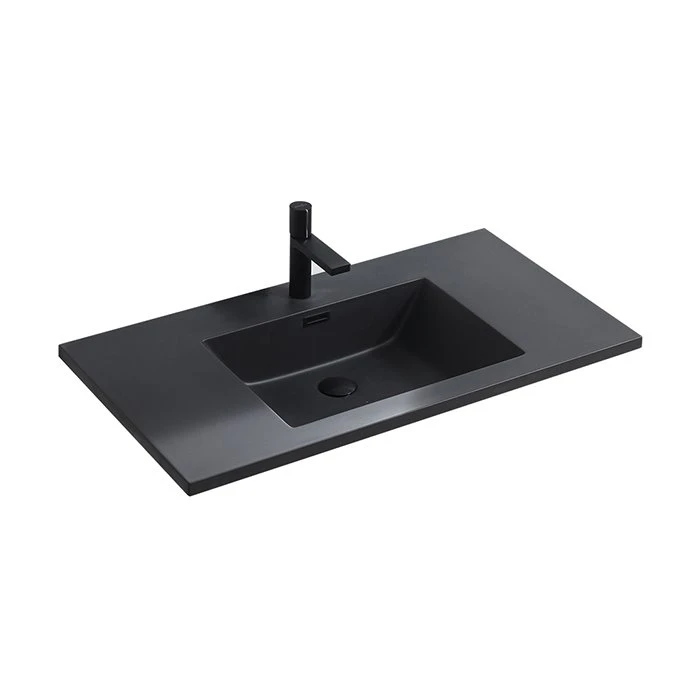
One of the most obvious impacts of hard water on a cabinet sink is the effect on its appearance. Over time, limescale buildup can make your sink look dirty and dingy, even if you clean it regularly. The white deposits can be particularly noticeable on darker - colored sinks, like the Black Wash Basin for Bathroom.
Limescale can also etch the surface of the sink, especially if it's made of a softer material like porcelain or enamel. This etching can create a rough, uneven surface that's not only unappealing but can also make it harder to clean the sink in the future.
2. Functionality
Hard water can also affect the functionality of your cabinet sink. The limescale buildup can clog the drain and the faucet aerator. When the drain gets clogged, water will drain more slowly, which can be a real hassle, especially if you're trying to wash a lot of dishes or use the sink frequently.
The faucet aerator, which is designed to mix air with water to create a more efficient and gentle flow, can also get blocked by limescale. This can result in a reduced water flow, and you might find that you have to turn the faucet on all the way just to get enough water.
3. Long - Term Durability
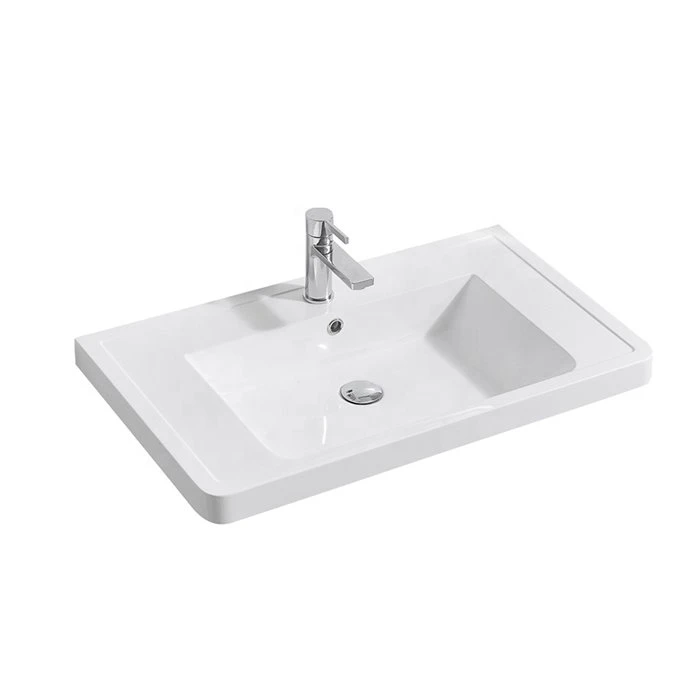
In the long run, the constant exposure to hard water can reduce the lifespan of your cabinet sink. The etching and corrosion caused by limescale can weaken the sink's structure, making it more prone to cracks and leaks. This is a big deal, especially if you've invested in a high - quality sink like a Cabinet Bathroom Basin or a White Double Sink Vanity Top.
How to Mitigate the Effects of Hard Water
1. Regular Cleaning
One of the simplest ways to deal with hard water is to clean your sink regularly. You can use a vinegar - based cleaner to dissolve the limescale. Just mix equal parts of white vinegar and water in a spray bottle, spray it on the sink, and let it sit for a few minutes before scrubbing with a soft brush. Rinse thoroughly with water.
For tougher stains, you can use a commercial limescale remover. Just make sure to follow the instructions on the label carefully, as some of these cleaners can be harsh and might damage the sink if not used correctly.
2. Water Softeners
Installing a water softener is a more long - term solution. A water softener works by removing the calcium and magnesium ions from the water and replacing them with sodium ions. This process, called ion exchange, effectively "softens" the water, reducing the amount of limescale buildup.
There are different types of water softeners available, from whole - house systems to point - of - use systems that can be installed directly under the sink. The type you choose will depend on your specific needs and budget.
3. Protective Coatings
Some cabinet sinks come with a protective coating that can help prevent limescale buildup. These coatings create a barrier between the sink's surface and the hard water, making it easier to clean and reducing the risk of etching. If you're in the market for a new sink, look for one with a protective coating.
Conclusion
Hard water can have a significant impact on the appearance, functionality, and durability of your cabinet sink. But the good news is that there are steps you can take to mitigate these effects, from regular cleaning to installing a water softener.
As a cabinet sink supplier, I understand the importance of keeping your sink in top condition. Whether you're looking for a new Cabinet Bathroom Basin, a Black Wash Basin for Bathroom, or a White Double Sink Vanity Top, I've got you covered. If you're interested in purchasing a cabinet sink or have any questions about our products, don't hesitate to reach out. We're here to help you find the perfect sink for your needs.
References
- "The Chemistry of Hard Water and Its Effects on Household Fixtures" - Journal of Home Maintenance and Repair
- "Water Softening Technologies: A Comprehensive Guide" - Water Treatment Magazine