

What is the impact of humidity on a countertop basin?
Nov 12, 2025
Humidity is a crucial environmental factor that can significantly influence various aspects of our daily lives, including the performance and longevity of household fixtures. As a countertop basin supplier, I've witnessed firsthand how humidity can impact these essential bathroom elements. In this blog post, I'll delve into the effects of humidity on countertop basins, exploring both the positive and negative aspects, and provide insights on how to mitigate potential issues.
Understanding Humidity and Its Measurement
Before we explore the impact of humidity on countertop basins, it's essential to understand what humidity is and how it's measured. Humidity refers to the amount of water vapor present in the air. It can be expressed in different ways, but the most common measurements are relative humidity (RH) and absolute humidity.
Relative humidity is the ratio of the amount of water vapor in the air to the maximum amount of water vapor the air can hold at a given temperature. It's expressed as a percentage, with 100% relative humidity indicating that the air is saturated with water vapor and cannot hold any more. Absolute humidity, on the other hand, is the actual amount of water vapor present in a given volume of air, typically measured in grams per cubic meter (g/m³).
In most indoor environments, relative humidity levels between 30% and 60% are considered comfortable and healthy. However, humidity levels can vary significantly depending on factors such as location, season, and the presence of moisture sources like showers, baths, and sinks.
Positive Impact of Humidity on Countertop Basins
While high humidity levels are often associated with negative effects, moderate humidity can actually have some benefits for countertop basins. Here are a few ways in which humidity can be advantageous:
1. Preventing Cracking and Drying
Countertop basins, especially those made of natural materials like stone or ceramic, can be prone to cracking and drying out if the air is too dry. Moderate humidity helps to keep these materials hydrated, reducing the risk of cracks and maintaining their structural integrity. For example, a Stone Resin Countertop Basin benefits from a stable humidity environment, as the resin material can become brittle in extremely dry conditions.
2. Enhancing Aesthetic Appeal
In some cases, humidity can enhance the aesthetic appeal of certain countertop basin materials. For instance, natural stone basins may develop a beautiful patina over time when exposed to moderate humidity. The moisture in the air can react with the minerals in the stone, creating unique color variations and textures that add character and charm to the basin.
3. Improving Hygiene
Humidity can also play a role in maintaining a hygienic bathroom environment. A slightly humid atmosphere can help to prevent the growth of certain bacteria and viruses that thrive in dry conditions. This can contribute to a healthier and more pleasant bathroom experience for users.
Negative Impact of Humidity on Countertop Basins
While moderate humidity can have some benefits, excessive humidity can pose several challenges for countertop basins. Here are some of the negative effects of high humidity:
1. Mold and Mildew Growth
One of the most common problems associated with high humidity is the growth of mold and mildew. These fungi thrive in warm, damp environments and can quickly spread on the surface of countertop basins, especially in areas that are not well-ventilated. Mold and mildew not only look unsightly but can also pose health risks, particularly for individuals with allergies or respiratory problems. A White Stone Resin Basin is particularly vulnerable to mold growth, as the white surface makes any discoloration more noticeable.
2. Corrosion and Staining
High humidity can also accelerate the corrosion and staining of countertop basins, especially those made of metal or porous materials. The moisture in the air can react with the metal, causing it to rust and deteriorate over time. Additionally, the presence of water droplets can trap dirt and other contaminants, leading to stubborn stains that are difficult to remove.
3. Structural Damage
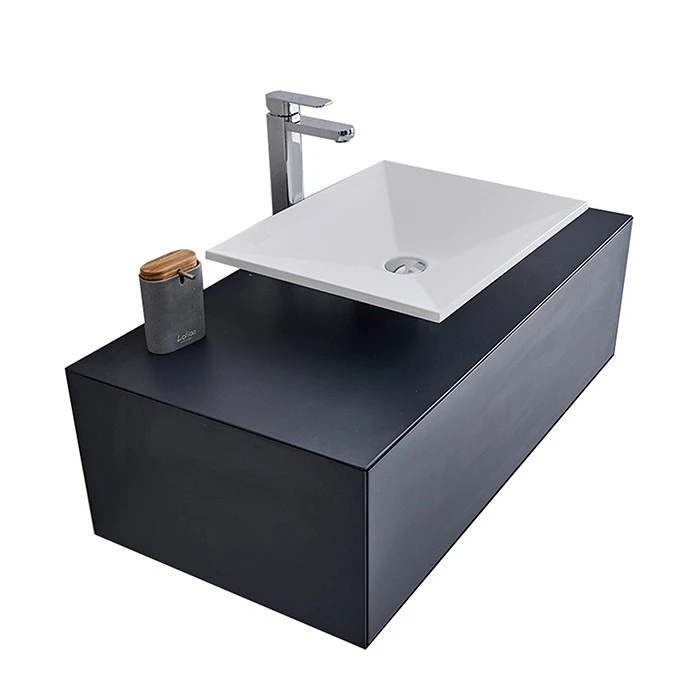
Prolonged exposure to high humidity can cause structural damage to countertop basins. For example, excessive moisture can seep into the joints and seams of a basin, causing them to weaken and eventually fail. This can lead to leaks, water damage, and costly repairs. A Large Rectangular Vessel Sink may be more susceptible to structural issues due to its size and weight, making it important to maintain proper humidity levels to prevent damage.

4. Odor and Mustiness
High humidity can also contribute to unpleasant odors and a musty smell in the bathroom. The combination of moisture, bacteria, and mold can create a stale and unpleasant atmosphere that can be difficult to eliminate. This can make the bathroom an uncomfortable and uninviting space for users.
Mitigating the Negative Impact of Humidity
To minimize the negative effects of high humidity on countertop basins, it's important to take proactive measures to control humidity levels in the bathroom. Here are some tips to help you maintain a healthy and comfortable humidity environment:
1. Use a Ventilation Fan
Installing a ventilation fan in the bathroom is one of the most effective ways to reduce humidity levels. A ventilation fan helps to remove moist air from the bathroom, preventing it from accumulating and causing problems. Make sure to run the fan during and after showers, baths, and other activities that generate moisture.
2. Wipe Down Surfaces
After using the sink or shower, wipe down the surfaces of the countertop basin and surrounding areas to remove any excess water. This can help to prevent the growth of mold and mildew and reduce the risk of staining.
3. Use a Dehumidifier
If you live in an area with high humidity or if your bathroom tends to be particularly damp, consider using a dehumidifier. A dehumidifier helps to remove excess moisture from the air, maintaining a comfortable and healthy humidity level. Place the dehumidifier in a central location in the bathroom and set it to the appropriate humidity level.
4. Choose the Right Materials
When selecting a countertop basin, choose materials that are resistant to moisture and humidity. For example, White Stone Resin Basin is a popular choice because it is non-porous and easy to clean, making it less susceptible to mold and mildew growth. Additionally, consider using a sealant or protective coating on the surface of the basin to further enhance its resistance to moisture.
5. Maintain Proper Drainage
Make sure that your countertop basin has proper drainage to prevent water from pooling on the surface. A clogged drain can lead to standing water, which can increase humidity levels and promote the growth of mold and mildew. Regularly clean the drain and use a drain cleaner to prevent blockages.
Conclusion
Humidity can have both positive and negative effects on countertop basins. While moderate humidity can help to prevent cracking and drying and enhance the aesthetic appeal of certain materials, high humidity can lead to problems such as mold and mildew growth, corrosion, staining, and structural damage. By understanding the impact of humidity on countertop basins and taking proactive measures to control humidity levels, you can ensure that your countertop basin remains in good condition and provides a functional and attractive addition to your bathroom for years to come.
If you're in the market for a new countertop basin or have any questions about how humidity can affect your existing basin, I'd be happy to help. As a leading supplier of high-quality countertop basins, we offer a wide range of products to suit your needs and preferences. Contact us today to discuss your options and start the procurement process.
References
- American Society of Heating, Refrigerating and Air-Conditioning Engineers (ASHRAE). (2017). ASHRAE Handbook - Fundamentals.
- National Association of Home Builders (NAHB). (2020). Building Science Digest: Moisture Control in Homes.
- World Health Organization (WHO). (2009). Indoor Air Quality: Dampness and Mould.