

What is the maintenance requirement for a bathroom sink wash basin?
Jul 18, 2025
As a supplier of Bathroom Sink Wash Basins, I've witnessed firsthand the importance of proper maintenance for these essential bathroom fixtures. A well - maintained sink not only enhances the aesthetic appeal of your bathroom but also extends its lifespan, saving you money in the long run. In this blog, I'll share in - depth knowledge about the maintenance requirements for a bathroom sink wash basin.
Regular Cleaning
Regular cleaning is the cornerstone of sink maintenance. It prevents the buildup of dirt, soap scum, and stains, which can damage the sink's surface over time. For most bathroom sink wash basins, a mild, non - abrasive cleaner is sufficient. You can make a simple homemade cleaner by mixing equal parts of water and white vinegar. This natural solution is effective in removing light stains and disinfecting the sink.
When cleaning, use a soft sponge or cloth to avoid scratching the sink's surface. Gently scrub the entire sink, including the basin, faucet area, and edges. Pay special attention to areas where water accumulates, as these are more prone to mineral deposits. After scrubbing, rinse the sink thoroughly with warm water to remove all traces of the cleaner.
For tougher stains, such as those caused by hard water or rust, you may need a stronger cleaner. There are many commercial cleaners available specifically designed for bathroom sinks. However, always read the label carefully and test the cleaner on a small, inconspicuous area of the sink first to ensure it doesn't damage the finish.
Preventing Clogs
One of the most common problems with bathroom sink wash basins is clogs. Hair, soap residue, and other debris can accumulate in the drain over time, leading to slow - draining or completely blocked sinks. To prevent clogs, use a drain strainer. A drain strainer is a simple device that sits over the drain opening and catches hair and large particles before they can enter the pipes.
Regularly clean the drain strainer to keep it functioning effectively. You can remove it and rinse it under running water to dislodge any trapped debris. In addition to using a drain strainer, it's a good idea to flush the drain with hot water once a week. This helps to dissolve soap residue and keep the pipes clear.
If you do experience a clog, avoid using chemical drain cleaners, as they can damage the pipes and the sink's finish. Instead, try using a plunger or a drain snake to clear the blockage. For a plunger, fill the sink with enough water to cover the plunger cup. Place the plunger over the drain and push and pull vigorously to create suction. This can often dislodge the clog. If the plunger doesn't work, a drain snake can be inserted into the drain to break up the blockage.
Maintaining the Faucet
The faucet is an integral part of the bathroom sink wash basin, and proper maintenance is crucial for its optimal performance. Regularly check the faucet for leaks. Even a small drip can waste a significant amount of water over time and may indicate a more serious problem. If you notice a leak, turn off the water supply to the faucet and inspect the connections. Tighten any loose nuts or bolts, but be careful not to overtighten, as this can cause damage.
The aerator, which is the small device at the end of the faucet spout, can become clogged with mineral deposits over time. This can reduce water flow and cause splashing. To clean the aerator, remove it from the faucet spout and soak it in a solution of vinegar and water for a few hours. Then, use a small brush to scrub away any remaining deposits. Rinse the aerator thoroughly and reattach it to the faucet.
Protecting the Sink's Surface
Different types of bathroom sink wash basins require different levels of protection. For example, porcelain sinks are prone to chipping and scratching. To protect a porcelain sink, avoid using abrasive cleaners or scrubbers. Place a soft mat or tray in the sink when placing heavy or sharp objects to prevent scratches.
Acrylic sinks are more resistant to scratches but can be damaged by harsh chemicals. Avoid using cleaners that contain bleach or ammonia on acrylic sinks. If you spill a chemical on the sink, rinse it off immediately to prevent damage.
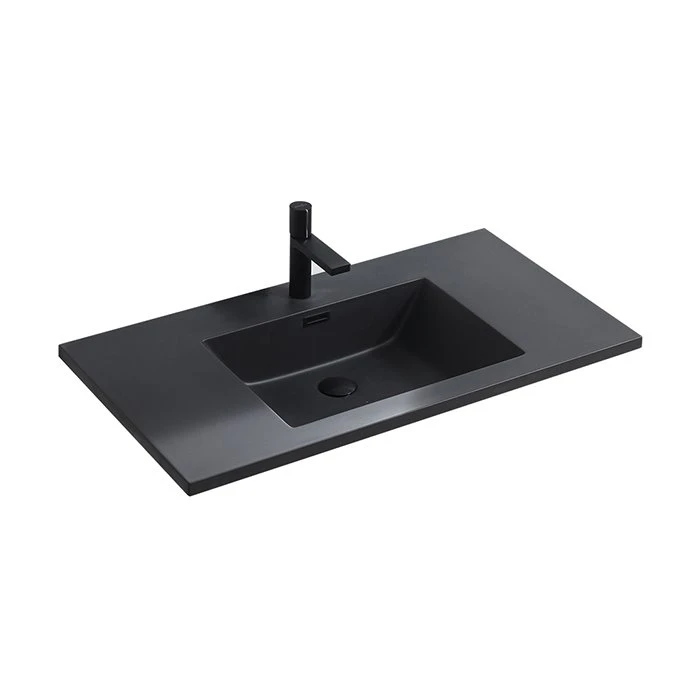
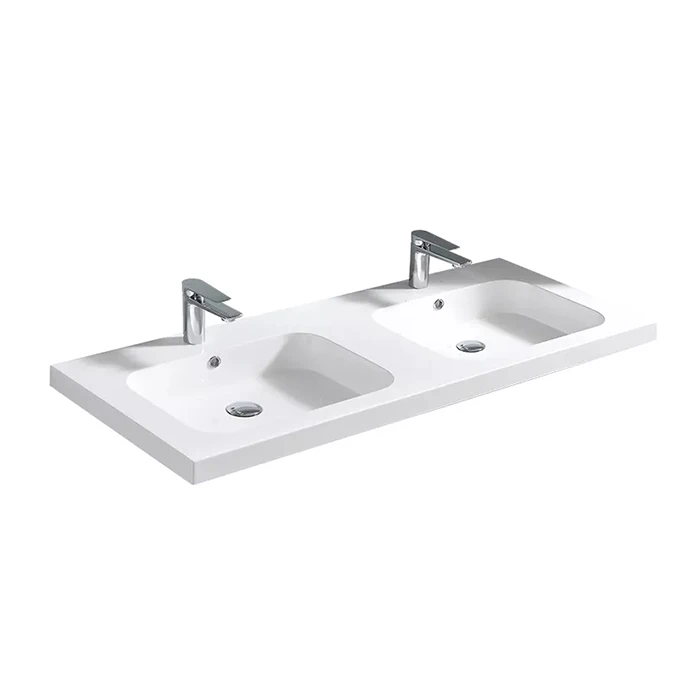
For Double Sink Wash Basin, the same maintenance principles apply. However, since it has two basins, you need to pay attention to both sides and ensure that each drain is properly maintained.
Dealing with Hard Water
Hard water contains high levels of minerals, such as calcium and magnesium. These minerals can leave behind white, chalky deposits on the sink's surface and inside the pipes. To remove hard water deposits, you can use a vinegar solution. Soak a cloth in vinegar and wrap it around the affected area. Leave it on for a few hours or overnight, then remove the cloth and scrub the area with a soft brush. Rinse the sink thoroughly to remove the vinegar and the dissolved deposits.
If you live in an area with extremely hard water, you may want to consider installing a water softener. A water softener removes the minerals from the water, preventing the formation of hard water deposits in your sink and throughout your plumbing system.
Special Considerations for Black Wash Basin for Bathroom
Black wash basins can add a touch of elegance to your bathroom, but they require special care. The black color can show water spots and stains more easily than lighter - colored sinks. To keep a black wash basin looking its best, dry it after each use with a soft, lint - free cloth. This helps to prevent water spots from forming.
When cleaning a black wash basin, use a cleaner that is specifically formulated for dark - colored surfaces. Avoid using cleaners that may leave a white residue, as this will be very noticeable on a black sink.
Maintenance Schedule
To ensure the long - term health of your bathroom sink wash basin, it's a good idea to follow a regular maintenance schedule. Here's a suggested schedule:
- Daily: Wipe down the sink with a dry cloth to remove water and prevent water spots.
- Weekly: Clean the sink with a mild cleaner, flush the drain with hot water, and clean the drain strainer.
- Monthly: Check the faucet for leaks, clean the aerator, and inspect the sink's surface for any signs of damage.
- Annually: Have a professional plumber inspect the plumbing system connected to the sink to ensure there are no hidden problems.
Conclusion
Proper maintenance of a bathroom sink wash basin is essential for its functionality and appearance. By following the tips and guidelines outlined in this blog, you can keep your sink in top condition for years to come. Whether you have a standard Bathroom Sink Wash Basin, a double sink, or a black wash basin, the key is to be consistent with your maintenance routine.
If you're in the market for a new bathroom sink wash basin or have any questions about sink maintenance, don't hesitate to reach out. As a trusted supplier, I'm here to provide you with high - quality products and expert advice. Let's start a conversation about your bathroom sink needs and how we can help you create the perfect bathroom space.
References
- "Bathroom Sink Maintenance Guide" - Home Improvement Magazine
- "The Complete Guide to Plumbing Maintenance" - Plumbing Professionals Association