

What should I consider when replacing a cabinet sink?
Jan 05, 2026
When it comes to replacing a cabinet sink, there are numerous factors that one should take into consideration. As a cabinet sink supplier, I've had the privilege of assisting countless customers in making the right choices for their homes or commercial spaces. In this blog, I'll share some key points that you should keep in mind during the process of replacing a cabinet sink.
1. Size and Dimensions
The first and perhaps most crucial aspect to consider is the size and dimensions of the new sink. You need to ensure that the sink will fit properly into the existing cabinet. Measure the cabinet opening accurately, including the length, width, and depth. If the sink is too large, it won't fit into the cabinet at all. On the other hand, if it's too small, there may be unsightly gaps around it.
For example, if you have a narrow vanity cabinet, you'll need a sink that's appropriately slender. Some basins can be quite deep, which is great for filling large pots or for accommodating taller cleaning tools. However, they may not be suitable for a small cabinet due to height restrictions.
2. Style and Design
The style of the sink should match the overall aesthetic of the room. Contemporary bathrooms often call for sleek and minimalist designs, while traditional spaces may benefit from more ornate or classic styles. You can explore a wide range of options, such as Bathroom Sink Wash Basin, which offers a variety of styles to suit different tastes.
Modern trends often favor vessel sinks, which sit on top of the cabinet, adding a touch of elegance and uniqueness to the bathroom. These Modern Basin Sink Bathroom options are not only stylish but also functional. They come in various shapes and sizes, including round, square, and rectangular.
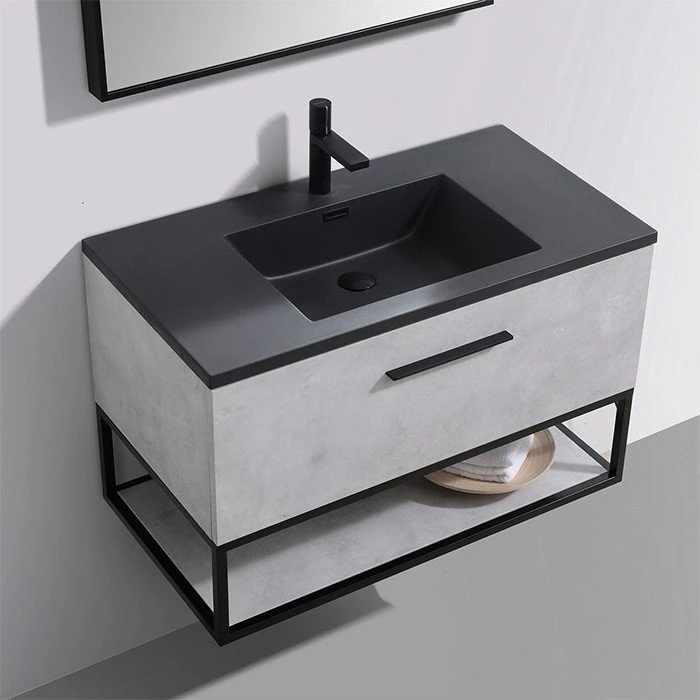
If you're looking for a more dramatic look, black sinks have become increasingly popular in recent years. A Black Wash Basin for Bathroom can add a bold statement to your bathroom decor and create a striking contrast against lighter-colored cabinets.
3. Material
The material of the sink plays a significant role in its durability, maintenance, and appearance. Here are some common materials used for cabinet sinks:
- Ceramic: Ceramic sinks are classic and widely used. They are available in a variety of colors and finishes. They are relatively easy to clean, but they can chip or crack if heavy objects are dropped on them.
- Stainless Steel: Stainless steel sinks are durable, resistant to stains and scratches, and are a popular choice for kitchens and utility rooms. They are also relatively inexpensive compared to some other materials.
- Acrylic: Acrylic sinks are lightweight and come in a wide range of colors. They are easy to maintain, but they may be more prone to scratching compared to stainless steel or ceramic.
- Stone: Stone sinks, such as granite or marble, offer a luxurious and high-end look. However, they are more expensive and require more maintenance to prevent staining and etching.
4. Installation Type
There are several installation types for cabinet sinks, and you need to choose the one that best suits your needs and the cabinet's design:
- Undermount Sinks: These sinks are installed beneath the countertop, providing a seamless look. They are easy to clean as there are no edges or crevices where dirt can accumulate. However, they typically require a more professional installation.
- Drop-in Sinks: Drop-in sinks are the most common type. They are simply placed into a pre-cut hole in the countertop and secured with clips or adhesive. They are relatively easy to install and are a good option for DIY projects.
- Vessel Sinks: As mentioned earlier, vessel sinks sit on top of the countertop. They add a unique and stylish element to the bathroom but may require additional plumbing considerations.
5. Faucet Compatibility
The new sink should be compatible with the faucet you plan to use. Consider the number and placement of the faucet holes on the sink. Some sinks come with pre-drilled holes for a specific number of faucets or accessories, while others are designed to be used with wall-mounted faucets. Make sure to choose a sink and faucet combination that works harmoniously together.
6. Budget
Your budget will also play a role in determining the type of sink you can afford. While high-end materials and designer styles can be expensive, there are also many affordable options available that still offer good quality and functionality. It's important to set a budget early on and look for sinks that meet your requirements within that budget.
7. Water Efficiency
In today's environmentally conscious world, water efficiency is an important consideration. Look for sinks that are designed to use less water without sacrificing performance. Some sinks have features such as aerators or low-flow drains that can help reduce water consumption.

8. Maintenance and Durability
Consider the long-term maintenance requirements of the sink. Some materials may require more frequent cleaning or special care to keep them looking their best. Additionally, think about the durability of the sink. You want a sink that can withstand daily use and last for many years.
As a cabinet sink supplier, I understand that choosing the right sink can be a daunting task. However, by considering these key factors, you'll be well on your way to making an informed decision. If you have any questions or need further assistance in selecting the perfect cabinet sink for your needs, please don't hesitate to [contact us] for a procurement discussion. We're here to help you find the best solution for your space.
References
- Bathroom Design Guides from Home & Garden Magazines
- Manufacturer's Specifications and Installation Guides