

How accurate is the clock on a Led Mirror?
Oct 01, 2025
The integration of clocks into LED mirrors has become a popular feature in modern bathroom design, offering both functionality and aesthetic appeal. As a supplier of LED mirrors, I've received numerous inquiries about the accuracy of the clocks on these innovative fixtures. In this blog post, I'll delve into the factors that influence clock accuracy in LED mirrors, explore the technology behind them, and provide insights to help you understand how reliable these timekeeping features are.
The Technology Behind Clocks in LED Mirrors
LED mirrors with built - in clocks typically use one of two main types of timekeeping technologies: quartz and atomic.
Quartz clocks are the most common in consumer - grade LED mirrors. They operate based on the piezoelectric properties of quartz crystals. When an electric current is applied to a quartz crystal, it vibrates at a very precise frequency. These vibrations are then converted into electrical pulses that drive the clock mechanism. The advantage of quartz clocks is their relatively low cost and decent accuracy. Under normal conditions, a quartz clock can be accurate to within a few seconds per day. However, factors such as temperature and humidity can affect the performance of the quartz crystal. For example, extreme temperatures can cause the crystal to expand or contract, altering its vibration frequency and thus affecting the clock's accuracy.
Atomic clocks, on the other hand, are far more accurate. They rely on the vibrations of atoms, usually cesium or rubidium, to keep time. Atomic clocks are so precise that they can lose or gain only a fraction of a second over millions of years. However, due to their high cost and complex technology, atomic clocks are rarely used in LED mirrors. Instead, some high - end LED mirrors may use radio - controlled clocks that receive time signals from atomic clock - based timekeeping services. These radio - controlled clocks can automatically adjust themselves to the correct time, ensuring high accuracy.
Factors Affecting Clock Accuracy
Environmental Conditions
As mentioned earlier, environmental factors play a significant role in the accuracy of the clock on an LED mirror. Bathrooms, where these mirrors are commonly installed, can have high humidity levels, especially after a hot shower. High humidity can cause moisture to accumulate inside the mirror, which may affect the electronic components of the clock. Additionally, temperature fluctuations in the bathroom can also impact the performance of the clock mechanism. For instance, if the bathroom is heated during the winter or cooled during the summer, the temperature changes can cause the materials in the clock to expand or contract, leading to inaccuracies.
Power Supply
The stability of the power supply is another crucial factor. LED mirrors are usually powered by electricity, and any fluctuations in the voltage can affect the operation of the clock. A sudden power surge or a drop in voltage can disrupt the normal functioning of the clock's electronic circuits, causing it to run fast or slow. To mitigate this issue, some LED mirrors are equipped with voltage regulators to ensure a stable power supply to the clock.
Manufacturing Quality
The quality of the components used in the clock and the overall manufacturing process also influence accuracy. High - quality LED mirrors are built with precision - engineered clock mechanisms and reliable electronic components. These mirrors are more likely to maintain accurate timekeeping over an extended period. On the other hand, cheaper LED mirrors may use lower - quality parts, which can lead to greater inaccuracies and a shorter lifespan for the clock.
Measuring Clock Accuracy
To determine how accurate the clock on an LED mirror is, you can compare it with a known accurate time source, such as an atomic clock app on your smartphone or a radio - controlled clock. Set the LED mirror clock to the correct time and then check it periodically over a few days or weeks. Note any differences in time and calculate the average deviation per day. This will give you an idea of how well the clock is performing.
If you find that the clock on your LED mirror is consistently inaccurate, it may be a sign of a problem with the clock mechanism or the environmental conditions. In some cases, a simple reset of the clock may solve the issue. However, if the problem persists, it's advisable to contact the manufacturer or a professional technician for further assistance.
Our LED Mirror Offerings
As a supplier of LED mirrors, we offer a wide range of products with built - in clocks. Our Large Lighted Mirrors for Bathrooms are not only spacious but also feature high - quality clock mechanisms. These mirrors are designed to withstand the harsh bathroom environment, with anti - fog and moisture - resistant properties.
Our Anti Fog Bathroom Vanity Mirror is another popular choice. The anti - fog feature ensures clear visibility even in high - humidity conditions, and the clock provides accurate timekeeping.
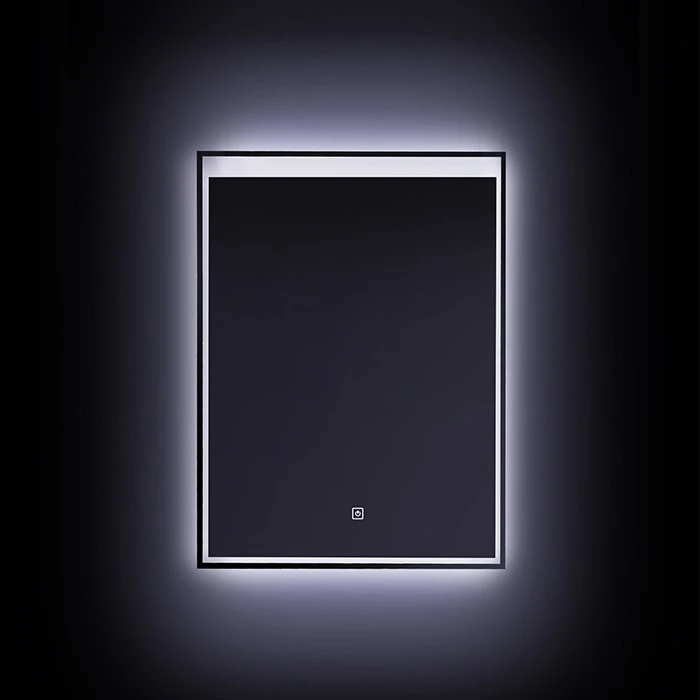
For those who prefer a more classic look, our Rectangular Illuminated Bathroom Mirror combines elegant design with practical functionality. The built - in clock adds an extra touch of convenience to your daily routine.
Conclusion
The accuracy of the clock on an LED mirror can vary depending on several factors, including the technology used, environmental conditions, power supply, and manufacturing quality. While quartz clocks are generally accurate enough for everyday use, high - end models with radio - controlled or atomic - synced clocks offer even greater precision.
If you're in the market for an LED mirror with a clock, it's important to consider these factors to ensure that you get a product that meets your timekeeping needs. At our company, we are committed to providing high - quality LED mirrors with accurate clocks. Whether you're renovating your bathroom or building a new one, our range of LED mirrors offers a perfect blend of style and functionality.

If you're interested in our LED mirror products or have any questions about the clock accuracy, we encourage you to contact us for a detailed discussion. We look forward to helping you find the perfect LED mirror for your space.
References
- “Quartz Clock Technology.” Encyclopedia Britannica.
- “Atomic Clocks: The Science of Timekeeping.” National Institute of Standards and Technology.
- “Environmental Effects on Electronic Devices.” IEEE Transactions on Electron Devices.