

How does Frame Mirror deal with color accuracy?
Jan 02, 2026
In the world of interior design, mirrors are much more than just reflective surfaces; they are essential elements that can transform the ambiance of a space. As a frame mirror supplier, one of the most critical aspects we focus on is color accuracy. This is because the color of a frame mirror not only affects its aesthetic appeal but also how it integrates with the overall decor of a room. In this blog, I will delve into how our company deals with color accuracy in frame mirrors.
Understanding the Importance of Color Accuracy in Frame Mirrors
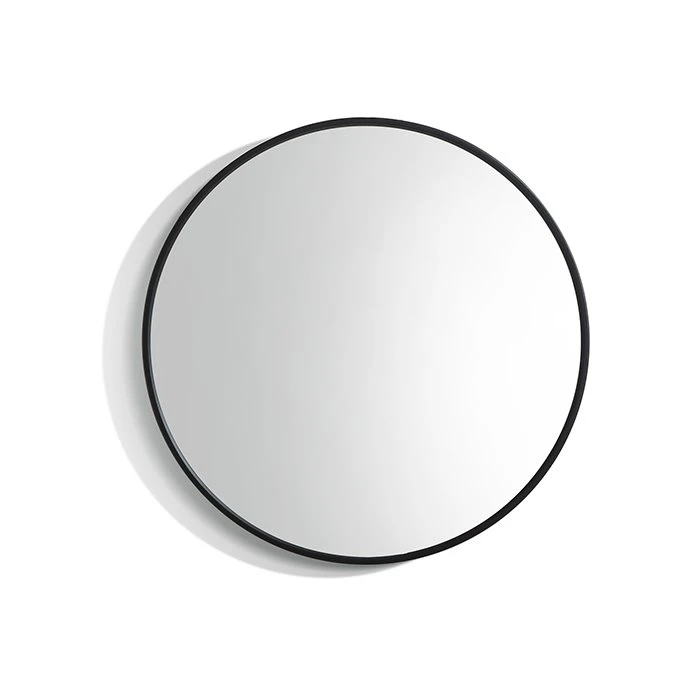
Color accuracy is crucial for frame mirrors as it directly impacts the visual harmony within a space. Whether it's a Black Aluminum Frame Mirror gracing a modern minimalist bathroom or a Bathroom Vanity Mirror Wood Frame adding a touch of warmth to a traditional vanity area, the right color can enhance the mirror's beauty and the room's overall aesthetic.
When a customer selects a frame mirror, they have a specific color scheme in mind for their space. A mirror with inaccurate colors can disrupt this carefully planned design, leading to a disjointed and unappealing look. For instance, if a customer chooses a mirror with a supposed “natural oak” wood frame, but it arrives with a reddish - tinted tone instead, it may not match the other oak furniture in the room.
Initial Color Selection and Standardization
At the beginning of the production process, our design and sourcing teams work closely to select the most accurate and appealing colors for our frame mirrors. We start by researching the latest color trends in interior design and customer preferences. This helps us determine the color palette that will be most popular and suitable for a variety of spaces.
For each color we choose, we establish a strict color standard. This standard is based on internationally recognized color - matching systems, such as Pantone. We use these color - matching tools to ensure that every time we produce a 48 Inch Frame Mirror or any other size and style of mirror, the color is consistent and matches the specified standard.
Material Sourcing and Color Consistency
The materials we use play a significant role in achieving color accuracy. Different materials, such as aluminum, wood, and plastic, have unique properties that can affect the final color of the frame. For example, when sourcing wood for our wooden - framed mirrors, we carefully select suppliers who can provide wood with a consistent natural color.
We conduct regular quality checks on the raw materials to ensure that the color meets our standards. Wood may have natural variations in color due to factors like the tree's age, growth conditions, and the part of the tree from which the wood is cut. To minimize these variations, we use techniques such as staining and finishing. These processes not only enhance the color but also protect the wood from damage and aging, which could further alter its color over time.
In the case of aluminum frames, we use high - quality anodizing processes. Anodizing is an electrochemical process that creates a durable and corrosion - resistant layer on the surface of the aluminum. This process also allows us to achieve a wide range of colors with high color accuracy. The anodizing parameters, such as the type of electrolyte, current density, and processing time, are carefully controlled to ensure that the color of the aluminum frame is consistent from batch to batch.
Quality Control in the Production Process
Once the materials are sourced, the production process begins. At every stage of production, we have strict quality control measures in place to monitor color accuracy.
During the initial manufacturing of the frame, we use color - measuring devices such as spectrophotometers. These devices can accurately measure the color of the frame and provide detailed color data. The data is then compared to our established color standards. If there are any deviations, the production process is adjusted immediately.
For example, if the color of a painted frame is slightly off - shade, we can adjust the paint formula or the painting process. This might involve changing the ratio of pigments in the paint, adjusting the paint application method, or modifying the drying conditions.
In addition to using color - measuring devices, our quality control team also conducts visual inspections. Experienced inspectors examine each frame mirror under standardized lighting conditions to ensure that the color appears consistent and accurate to the human eye. Lighting can have a significant impact on how we perceive color, so we use professional lighting systems that mimic natural daylight to make fair and accurate color judgments.
Adjusting for Different Lighting Conditions
One of the challenges in dealing with color accuracy is that the color of a frame mirror can appear different under various lighting conditions. For example, a mirror that looks warm and inviting in natural daylight may seem cool and bluish under artificial fluorescent lighting.
To address this issue, we conduct extensive testing of our frame mirrors under different lighting scenarios. We have a lighting laboratory where we can simulate various lighting conditions, including natural daylight at different times of the day, incandescent lighting, fluorescent lighting, and LED lighting.
Based on the results of these tests, we make necessary adjustments to the color of the frame during the production process. We aim to ensure that the frame mirror looks consistent and appealing regardless of the lighting in the customer's space. For example, if a mirror is intended for a bathroom with fluorescent lighting, we may adjust the color slightly to counteract the cool - toned effect of the fluorescent light, so that it appears more natural and in - harmony with the overall decor.
Customer Feedback and Continuous Improvement
Customer feedback is a valuable source of information for us to improve our color accuracy. We encourage customers to provide feedback on the color of the frame mirrors they purchase. If a customer reports that the color of the mirror does not match their expectations or the product description, we take that feedback seriously.
We analyze the feedback and use it to identify any areas where our color - management processes may need improvement. For example, if multiple customers complain about the color accuracy of a particular color option, we may review the material sourcing, production processes, or quality control measures for that color.
We also use customer feedback to expand our color palette. If customers express a desire for a specific color that is not currently in our product range, we research and develop new color options while ensuring high - level color accuracy.

Final Thoughts and Invitation to Connect
Color accuracy is a multi - step and complex process in the production of frame mirrors. From initial color selection and material sourcing to quality control and adjustment for different lighting conditions, we are committed to providing our customers with frame mirrors that meet the highest standards of color accuracy.
If you are in the market for high - quality frame mirrors with accurate colors, we would love to hear from you. Whether you are an interior designer looking for the perfect mirror for a project, a homeowner renovating your bathroom, or a business owner in the hospitality industry, we can offer a wide range of frame mirror options to suit your needs. Please feel free to reach out to us for more information, product samples, or to start a procurement discussion.
References
- Interior Design Color Theory Books
- Industry Reports on Mirror Manufacturing and Color Management
- Technical Literature on Material Finishing Processes for Mirrors