

How to prevent pests from getting into the medicine cabinet?
Jan 13, 2026
Preventing pests from getting into the medicine cabinet is crucial for maintaining the safety and efficacy of medications. As a medicine cabinet supplier, I understand the importance of providing customers with cabinets that not only meet their storage needs but also keep pests at bay. In this blog post, I'll share some practical tips on how to prevent pests from infiltrating your medicine cabinet.
Understanding the Risks
Pests in the medicine cabinet can pose several risks. Insects like cockroaches, ants, and silverfish can contaminate medications with their droppings, saliva, or body parts. Rodents, on the other hand, may chew through packaging, rendering the medications ineffective or even dangerous. Additionally, pests can introduce bacteria and other pathogens, increasing the risk of infection.
Choose the Right Medicine Cabinet
The first step in pest prevention is selecting the right medicine cabinet. At our company, we offer a variety of options, including Skinny Medicine Cabinet, Wooden Medicine Cabinets for Bathroom, and Bathroom Mirror with Cabinet Behind. When choosing a cabinet, consider the following factors:

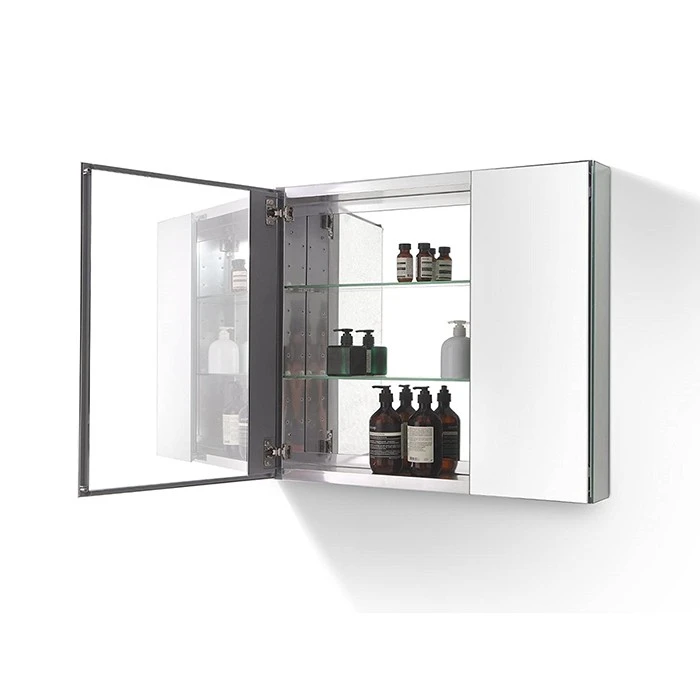
- Material: Opt for cabinets made of durable materials such as metal or high - quality wood. These materials are less likely to be chewed through by pests compared to plastic.
- Seal: Look for cabinets with a tight - fitting door seal. A good seal will prevent pests from sneaking inside. Our cabinets are designed with precision to ensure a proper seal, keeping pests out.
- Construction: Choose a cabinet with a solid construction. Avoid cabinets with gaps, cracks, or loose joints, as these can provide entry points for pests.
Keep the Cabinet Clean
A clean medicine cabinet is less attractive to pests. Here are some cleaning tips:
- Regularly wipe down the interior: Use a mild detergent and a soft cloth to clean the shelves and walls of the cabinet. This removes any spills, crumbs, or residue that might attract pests.
- Remove expired medications: Check the expiration dates of your medications regularly and discard any that are past their prime. Expired medications can emit odors that may attract pests.
- Vacuum around the cabinet: Pests can enter through the floor or walls near the cabinet. Vacuuming the area around the cabinet helps remove any debris or insects that might be lurking nearby.
Store Medications Properly
How you store your medications can also affect pest prevention:
- Use sealed containers: Place medications in sealed plastic or glass containers. This not only protects them from pests but also helps maintain their potency.
- Keep the cabinet organized: A cluttered cabinet makes it easier for pests to hide. Arrange your medications neatly so that you can easily spot any signs of pest activity.
- Avoid storing food in the cabinet: Food items can be a major attractant for pests. Keep all food out of the medicine cabinet.
Seal Entry Points
Pests can enter your home through small cracks and holes. To prevent them from reaching your medicine cabinet:
- Inspect the area around the cabinet: Look for any cracks in the wall, floor, or ceiling near the cabinet. Seal these with caulk or another appropriate sealing material.
- Check for gaps around pipes and wires: Pipes and wires that enter the wall near the cabinet can create gaps. Use expanding foam or other sealants to fill these gaps.
- Weatherstrip the cabinet door: If the cabinet door doesn't have a good seal, you can add weatherstripping to improve it. This helps keep pests from squeezing through the edges of the door.
Use Natural Repellents
There are several natural substances that can repel pests:
- Essential oils: Peppermint, lavender, and eucalyptus oils are known to repel many insects. Soak a cotton ball in a few drops of these oils and place them in the corners of the cabinet. Replace the cotton balls every few weeks.
- Bay leaves: Bay leaves have a strong scent that can deter pests. Place a few bay leaves in the cabinet to keep insects away.
- Cinnamon: Sprinkling a little cinnamon in the cabinet can also help repel pests. However, be careful not to get it on the medications.
Monitor for Pest Activity
Regularly check your medicine cabinet for signs of pest activity:
- Look for droppings: Small, dark droppings are a sign of rodent or insect presence. If you find droppings, take immediate action to remove the pests.
- Check for damage: Look for chewed packaging or holes in the cabinet. This could indicate that pests have been at work.
- Inspect for webs or nests: Spider webs or small nests can be a sign of pest infestation. Remove these as soon as you find them.
Keep the Bathroom Dry
Since medicine cabinets are often located in the bathroom, keeping the bathroom dry is important for pest prevention:
- Use a dehumidifier: High humidity can attract pests. A dehumidifier helps reduce moisture in the air, making the environment less hospitable for pests.
- Fix leaky faucets and pipes: Leaks can create damp areas that pests love. Repair any leaks promptly to keep the bathroom dry.
- Ventilate the bathroom: Proper ventilation helps remove moisture. Use an exhaust fan when showering or bathing to keep the air circulating.
Educate Your Family
Make sure everyone in your family is aware of the importance of pest prevention in the medicine cabinet:
- Teach children not to leave the cabinet open: Leaving the cabinet open for long periods can allow pests to enter.
- Remind family members to clean up spills immediately: Spills can attract pests, so it's important to clean them up right away.
Professional Pest Control
If you have a severe pest problem, it may be necessary to call in a professional pest control service. They have the expertise and tools to identify and eliminate pests effectively. However, taking preventive measures can often reduce the need for professional intervention.
Conclusion
Preventing pests from getting into the medicine cabinet is a multi - step process that involves choosing the right cabinet, keeping it clean, storing medications properly, and sealing entry points. By following these tips, you can ensure that your medications remain safe and pest - free.
As a medicine cabinet supplier, we are committed to providing high - quality cabinets that help you keep pests out. If you're interested in purchasing a new medicine cabinet or have any questions about pest prevention, please feel free to reach out to us. We're here to assist you in finding the perfect solution for your needs.
References
- "Pest Management in the Home" by the National Pesticide Information Center.
- "Medication Storage and Safety" by the American Pharmacists Association.
- "Home Pest Control Tips" by the Environmental Protection Agency.